Let's be completely real for a second. Picking the right ad platform isn't just a minor technical detail—it can literally make or break your website's income. If you run a blog, you basically have two heavyweights constantly fighting for your attention: Google AdSense and Ezoic. But who actually cuts the bigger check? And when you strip away the marketing hype, how do their features, RPMs, and user experiences actually stack up in 2025?
I'm going to give you a brutally honest, data-backed look at Adsense vs Ezoic revenue. We'll cover real-life earning examples, the good, the bad, and the ugly of both platforms, and give you actionable advice to squeeze every last cent out of your traffic—whether you just launched yesterday or you're already pulling in massive numbers.
Let’s get to the good stuff.
Quick tip: If you are pulling your hair out trying to get started with either of these, take a breath. Go read our step-by-step guide on how to get Adsense approval for brand new sites, or grab our SEO for new website checklist to pump up your traffic before you even think about turning ads on.
Adsense vs Ezoic: Platform Overview
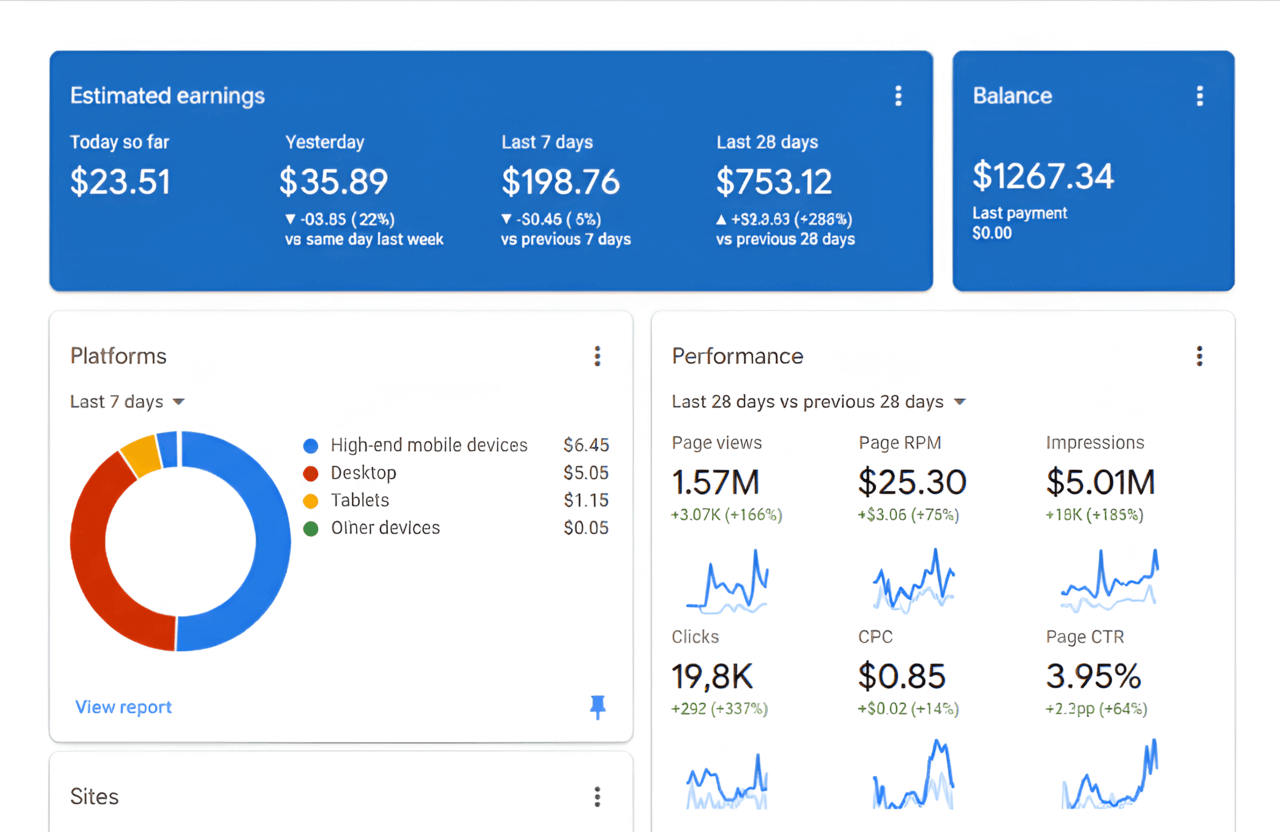
Google AdSense is basically the granddaddy of ad networks. They've been handing out checks to millions of publishers since 2003. It is ridiculously easy to set up, you don't need to be a coding genius, and they simply pay you for slapping contextual ads on your pages. Honestly, AdSense is almost always step one for rookie bloggers looking to make their first dollar online.
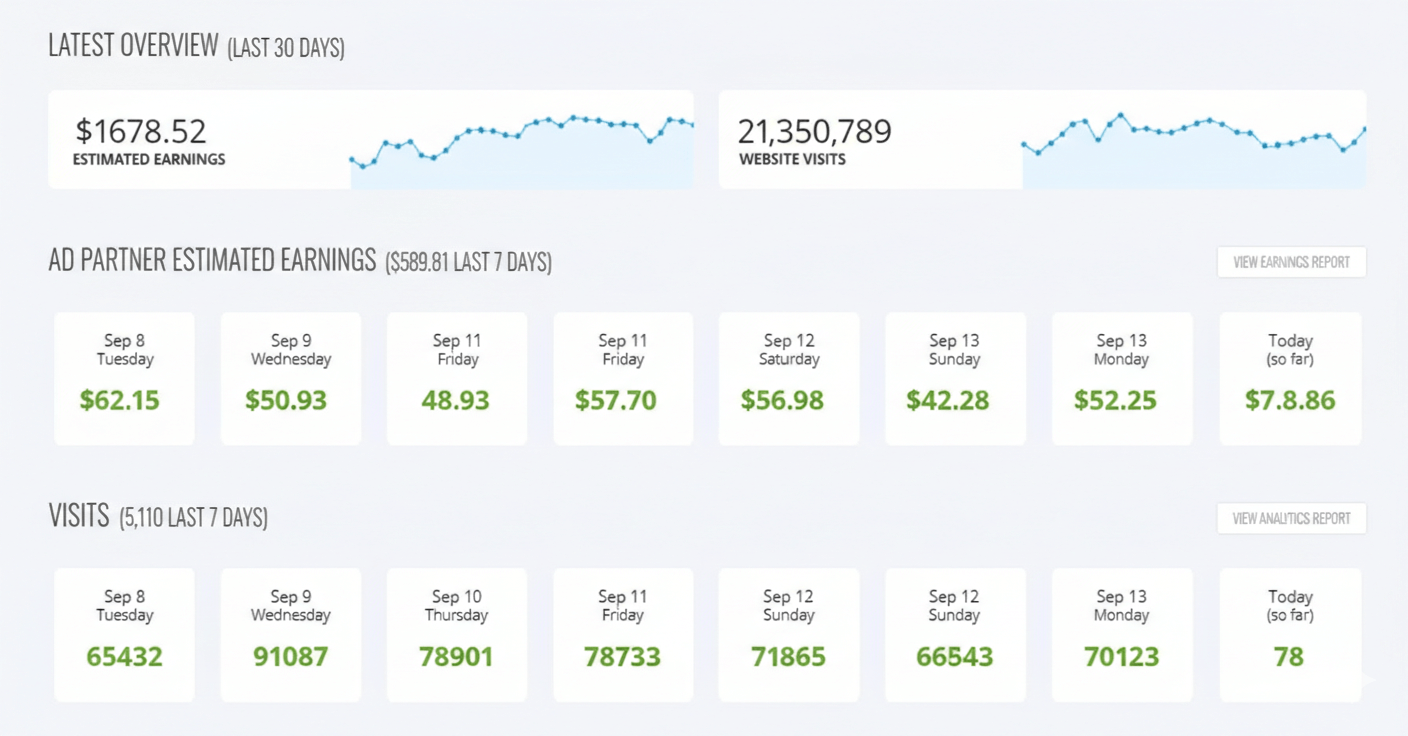
Ezoic is a completely different animal. It's an incredibly smart, AI-powered beast (and yes, they are an official Google Certified Publishing Partner). Think of it as a middleman that sits between your website and dozens of premium ad networks (including AdSense and Google Ad Exchange). It uses intense machine learning to test literally thousands of ad layouts on your visitors, figuring out the perfect combo to maximize your cash, keep your site fast, and keep readers happy. Ezoic is built for site owners who are totally over basic AdSense payouts and want serious money.
Key Differences
| Feature | Adsense | Ezoic |
|---|---|---|
| Minimum Traffic | Absolutely zero | Usually 10,000+ monthly visits (They do have an "Access Now" tier for the little guys) |
| Ad Partners | Just Google | Google + 20+ top-tier premium networks |
| Ad Optimization | You do it manually (or use basic auto-ads) | Hardcore AI/machine learning and multivariate testing |
| Revenue Potential | The bare minimum baseline | Routinely 20–100% higher RPMs |
| Page Speed Tools | Pretty much non-existent | Insanely advanced (Leap, aggressive caching, script delays) |
| Reporting | Basic charts | Super advanced, granular big data |
| Support | Help forums and generic emails | Actual dedicated account managers (once you get big enough) |
Real-World Revenue Comparison: AdSense vs. Ezoic
Let's skip the boring stuff and talk about what actually matters: how much cash is going to hit your bank account?
RPM (Revenue per Mille) Benchmarks
RPM (which just means revenue per 1,000 pageviews) is the absolute best way to compare these networks. Here is what real bloggers are actually seeing in 2025:
- Adsense RPM: $1.50 – $8.00 (a pretty standard average across most niches, assuming US/UK readers)
- Ezoic RPM: $4.00 – $18.00+ (the average, but this can absolutely explode if you write about finance, tech, or business)
Look, these are broad guesses. Your actual paycheck depends entirely on your specific niche, where your traffic comes from, and how good your content is. But I'll be straight with you: in almost every single apples-to-apples test out there, Ezoic absolutely crushes AdSense in both RPM and total take-home pay once it finishes optimizing.
Case Study: Adsense vs Ezoic on a 50,000 Pageview Site
| Metric | Adsense | Ezoic |
|---|---|---|
| Monthly Pageviews | 50,000 | 50,000 |
| RPM | $3.50 | $8.20 |
| Total Revenue | $175 | $410 |
The Result: Ezoic pulled in a massive 134% more money using the exact same amount of traffic, without making the site look like a spammy billboard.
Pro tip: Ezoic’s AI brain needs about 1 to 2 weeks to actually figure out your audience. Your first few days might look identical to your old Adsense numbers, but don't panic. Almost everyone sees a massive spike once the learning phase finishes.
Why Does Ezoic Pay More?
- Access to Google Ad Exchange: Ezoic sneaks you into Google’s super-exclusive, premium ad marketplace. Normal AdSense users aren't allowed in there.
- Header Bidding: Ezoic basically runs a lightning-fast auction behind the scenes, forcing dozens of ad partners to bid against each other, which drives your prices way up.
- AI Optimization: Instead of you guessing where to put ads, Ezoic tests thousands of sizes and spots for every single user to find out what makes the most money without annoying them.
- Premium Advertisers: They have direct relationships with massive, high-paying brands that desperately want your ad space.
Setup and Requirements: Which Is Easier?
Adsense
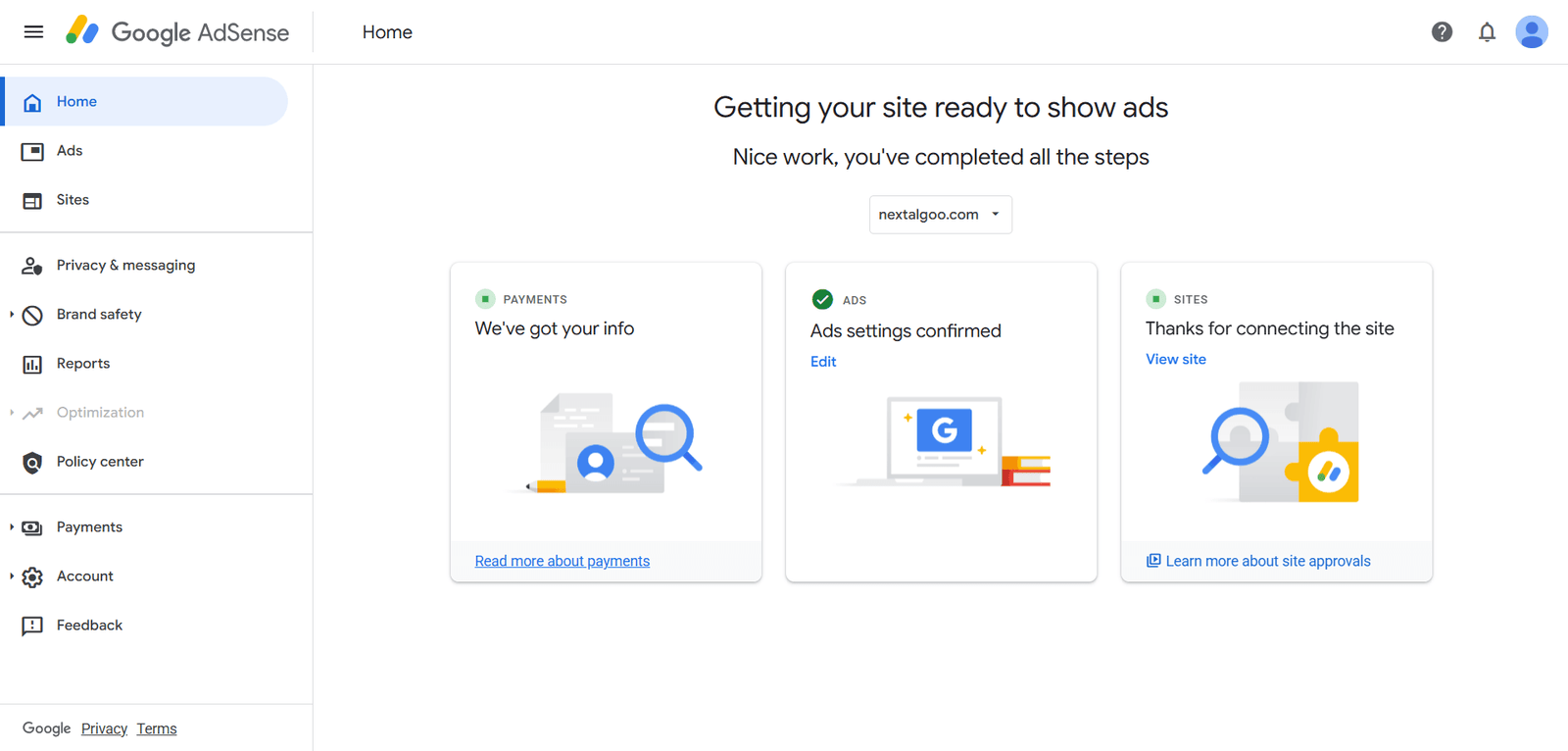
- Apply using your standard Google account.
- You need a legit website with real content and basic legal pages (like a privacy policy and contact page).
- Waiting for approval can take a painfully long 2-4 weeks.
- Super easy to connect—just copy and paste a snippet of code or use a basic WordPress plugin.
Ezoic
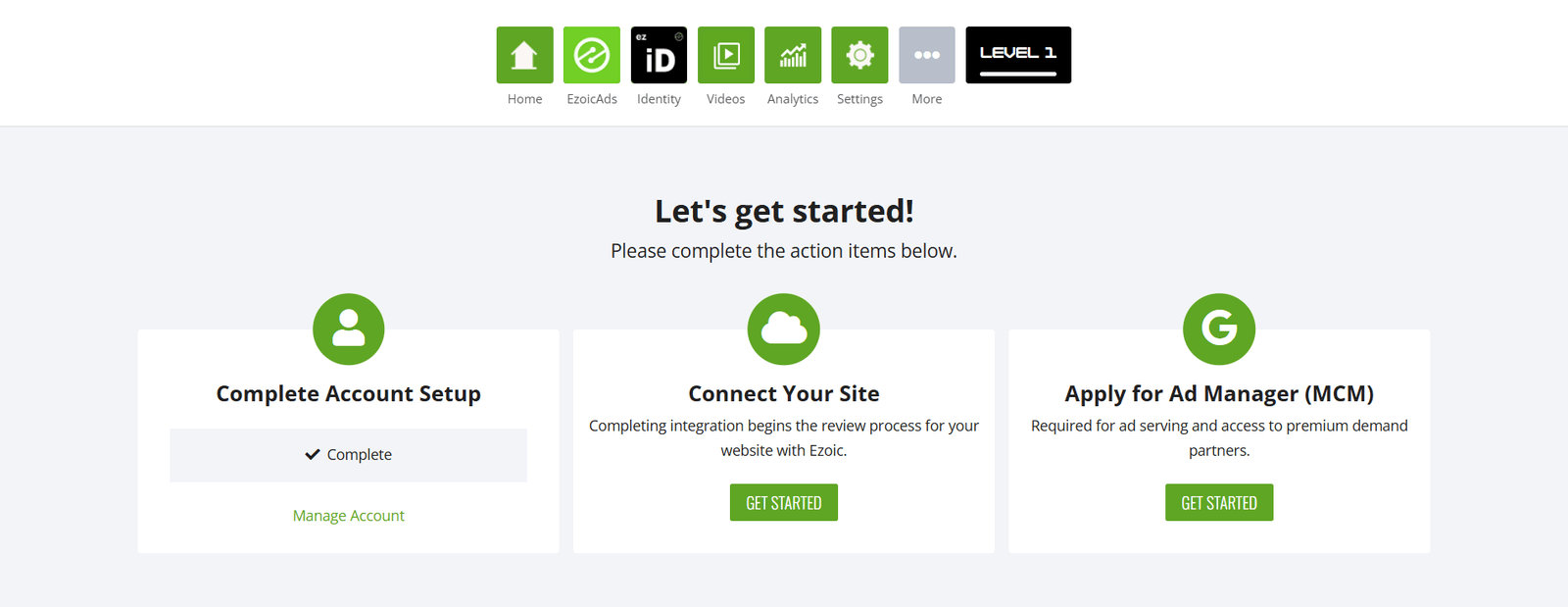
- You actually need an active Adsense account (or another Google-certified partner) just to get in.
- Traffic rules: They generally want to see 10,000 monthly visits (though they do have an "Access Now" program for tiny sites, you just don't get all the cool features).
- Hooking it up requires changing your nameservers, using Cloudflare, or slapping on their WordPress plugin.
- Patience required: The AI takes 1–2 weeks to really optimize.
- Awesome extras: You get "Leap" (their crazy good site speed tool), insane analytics, and native video ads.
Bottom line: Adsense is foolproof for total beginners. But honestly, Ezoic’s setup is a breeze for anyone who has built a WordPress site, especially since their support team actually answers emails.
Earnings by Niche: Adsense vs Ezoic
Believe it or not, some topics see a ridiculous jump in revenue when they ditch AdSense. Here is how the two giants stack up across popular niches right now (based on 2025 numbers):
| Niche | Adsense RPM | Ezoic RPM |
|---|---|---|
| Finance/Investing | $4–$10 | $12–$25 |
| Tech/Gadgets | $2–$8 | $7–$18 |
| Health/Fitness | $2–$6 | $6–$14 |
| Travel | $1.50–$5 | $5–$12 |
| Education | $1.50–$4 | $4–$10 |
| Food/Recipes | $1–$3.50 | $3–$8 |
Notice a trend? Ezoic’s RPM is consistently higher across the board. Sometimes it's double or even triple, especially if your readers are sitting in the US, UK, Canada, or Australia. If you have a site where people stick around and read long articles, prepare for a massive pay raise.
User Experience and Site Speed: Does Ezoic Slow Down Your Site?
The absolute number one fear people have is that adding a fancy AI ad network is going to completely tank their site speed. Here is the actual truth:
- AdSense: It barely touches your load times if you only use a couple of manual ad units. But if you turn on Google's "Auto Ads" and let it plaster your site? Yeah, it's going to slow things down.
- Ezoic: Because it uses a proxy layer to serve ads, your initial setup might feel a tiny bit sluggish. But here is the kicker: Ezoic includes a tool called Leap that optimizes your images, caches your pages, and delays heavy scripts. A ton of bloggers actually report much faster Core Web Vitals after moving to Ezoic + Leap.
Tip: Don't just guess. Always test your site speed before and after you switch. Run your URLs through Google PageSpeed Insights, GTmetrix, or just use Ezoic’s own incredibly detailed analytics to see what's happening under the hood.
Payouts and Payment Terms
| Platform | Minimum Payout | Payment Schedule | Methods |
|---|---|---|---|
| Adsense | $100 | Net 30 (paid the month after you earn it) | Bank transfer, check, Western Union |
| Ezoic | $20 | Net 30 (same exact schedule as Adsense) | PayPal, bank transfer, Payoneer, check |
Ezoic’s ridiculously low $20 payout threshold is a massive win for brand new bloggers. Both companies are rock solid and will absolutely pay you on time, every time.
Pros and Cons: AdSense vs Ezoic
| Adsense Pros | Adsense Cons | Ezoic Pros | Ezoic Cons |
|---|---|---|---|
|
|
|
|
Adsense vs Ezoic for Small Websites
If your blog is struggling to hit 10,000 visits a month, AdSense is definitely the path of least resistance. That said, Ezoic does offer an "Access Now" program that lets the little guys in, slowly unlocking the heavy-duty features as your traffic scales up.
Honestly? If you have a brand new site, stop obsessing over ads and focus purely on writing killer content and nailing your SEO. The second you cross that 10,000-visit threshold, Ezoic is going to wipe the floor with AdSense when it comes to your paycheck.
Further reading: Wondering what the math actually looks like? Check out our guide on how much traffic is required to earn $100/day via Adsense so you can set realistic goals.
Adsense vs Ezoic for Large Websites
If you're pulling in 50,000+ visits a month, sticking with AdSense is basically setting your money on fire. Massive sites can actually get invited to Ezoic Premium. This is an exclusive tier that unlocks absurdly high RPMs, direct deals with massive brands, and gives you a dedicated human account manager. I've talked to countless publishers who saw their income literally double or triple the month they switched to Ezoic at scale.
How Does Ezoic Compare to Mediavine and AdThrive?
Okay, but what about the exclusive clubs like Mediavine and Raptive (formerly AdThrive)? These are elite ad management platforms, but they have terrifyingly high entry requirements (50,000+ and 100,000+ monthly sessions, respectively). Their payouts can rival or occasionally beat Ezoic, but they reject people left and right, and the onboarding takes forever. For 99% of sites sitting under that 100k mark, Ezoic is hands down the best way to squeeze every dime out of your traffic before you consider jumping to a premium network.
Frequently Asked Questions
Can I use AdSense and Ezoic together?
Nope. Ezoic physically replaces the AdSense code on your site. However, it actually links to your AdSense account on the backend to tap into Google's massive ad inventory. You just can't have both companies fighting over the exact same ad slots on your page.
Does Ezoic hurt SEO or rankings?
If you set it up right, absolutely not. Actually, their Leap performance suite is specifically designed to speed up your site and improve your Core Web Vitals, which Google loves. Just keep an eye on your search console whenever you mess with ad settings.
What is Ezoic Premium and is it worth it?
It's an invite-only club that connects you with elite, high-paying advertisers. Yes, it costs a monthly fee, but almost every single publisher makes significantly more money back than they spend on the subscription. It's a no-brainer if you get the invite.
How long does it take for Ezoic to optimize my site?
Give it a solid 1 to 2 weeks. The AI has to test thousands of variables on your real visitors. Your RPMs might bounce around wildly at first, but they almost always stabilize and crush your old AdSense numbers once the machine figures your audience out.
How to Switch from Adsense to Ezoic: Step-by-Step
- Apply for Ezoic using your current AdSense account and website info.
- Integrate your site via their nameservers, Cloudflare integration, or the simple WordPress plugin.
- Complete Ezoic’s setup (drop in some ad placeholders, activate Leap, check your analytics).
- Sit on your hands and allow Ezoic’s AI to optimize for 1–2 weeks. Keep an eye on your RPMs and user experience.
- Compare your new earnings after the optimization phase finishes. Tweak your ad density sliders if you feel like there are too many ads.
Seriously, most publishers can knock this out in a single Sunday afternoon with zero downtime or loss of traffic.
Advanced Tips to Maximize Ezoic Revenue
- Go crazy with the Ad Tester: Put ad placeholders literally everywhere. Don't worry, the AI won't show all of them; it just needs options to find the perfect spot for each specific reader.
- Turn Leap on: A faster site means happier readers, better SEO, and advertisers willing to bid much higher for your ad space.
- Play around with video ads: Ezoic’s native video player can seriously inflate your RPMs if you actually produce original video clips.
- Stalk your analytics: Dive into Ezoic’s Big Data Analytics to figure out exactly which articles are making the most money, then write ten more just like them.
- Get into Premium: If they send you that invite email, take it. It's the easiest pay raise you'll ever get.
Summary: Which Should You Choose?
Stick with AdSense if:
- Your blog is a ghost town (under 10,000 visits a month).
- You literally want the easiest, dumbest setup possible.
- You have absolutely zero interest in testing layouts or looking at spreadsheets.
Make the jump to Ezoic if:
- You are consistently crossing 10,000 monthly visits (or managed to sneak into the Access Now program).
- You are sick of low RPMs and want serious revenue.
- You don't mind spending an hour setting things up properly.
- You are a data nerd who wants crazy good analytics, speed tools, and access to premium brands.
Look, for the vast majority of growing websites, Ezoic is the undisputed champion when it comes to sheer revenue and long-term potential. AdSense is a cute place to start, but Ezoic’s insane AI technology and access to premium partners make it the absolute best tool for draining every possible dollar out of your traffic in 2025 and beyond.
Want to inflate those paychecks even more? Stop guessing and go read our guide on how to get backlinks for your website to skyrocket your domain authority, or steal our favorite keyword research strategies to find topics that advertisers actually want to bid on.