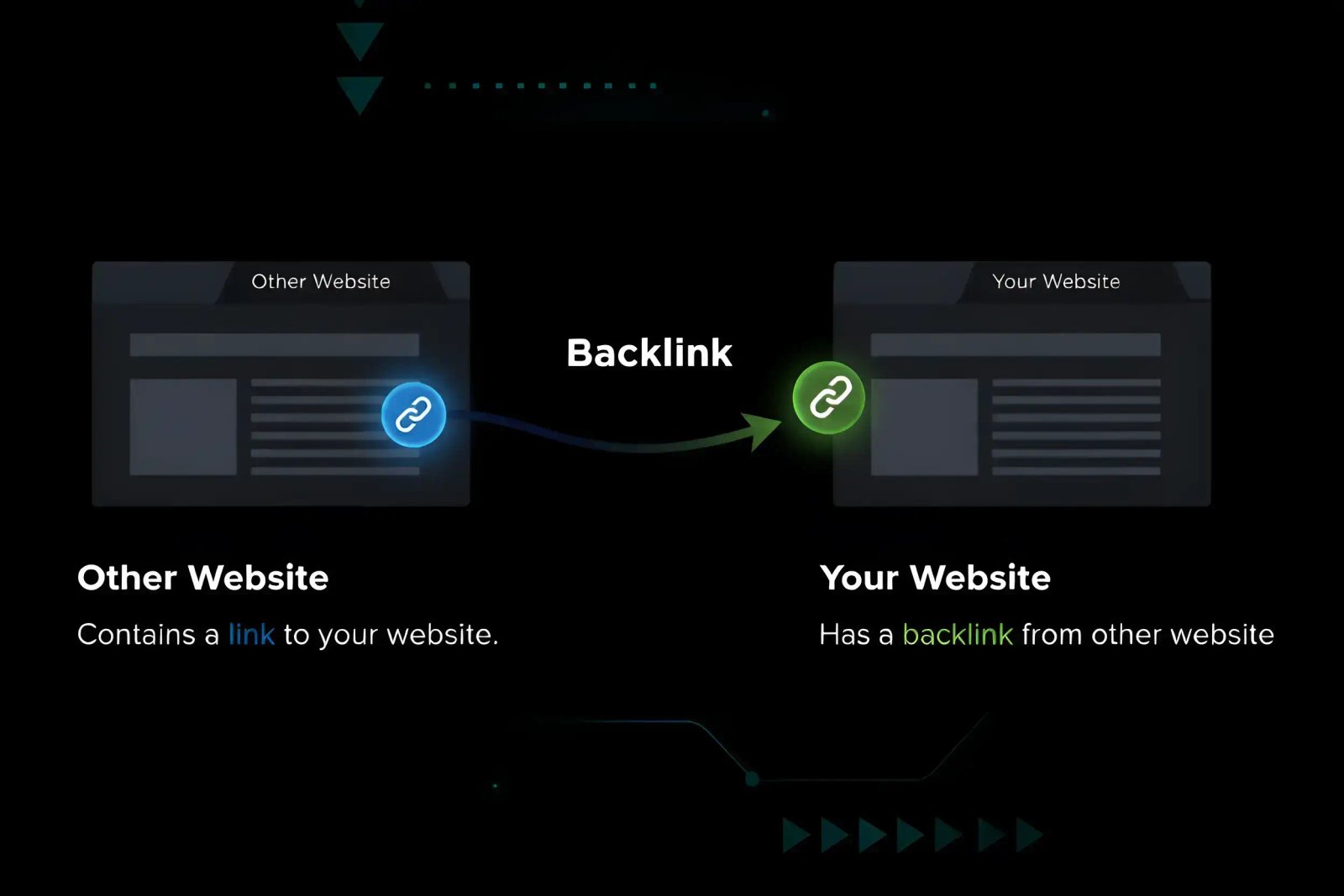
Building links is exhausting. We all know it. But if you honestly think you can just publish a few good articles and ignore your backlink profile in 2026, you are setting yourself up for a massive reality check. Search engines—and the terrifying new wave of AI answer bots—still run on the exact same currency: trust. And trust is built entirely on who is willing to link to your website.
I am going to skip the boring, outdated advice you have probably read a hundred times. If your current strategy involves paying some guy on a forum to drop your URL in 5,000 random directories, please stop immediately. You are actively harming your site. Today, convincing high-authority websites to link back to you requires a gritty mix of real relationship-building, clever digital PR, and publishing stuff that people actually want to read.
Consider this your unfiltered battle plan. We are going to tear down the exact, modern tactics that actually convince massive, authoritative websites to voluntarily link to your content. Whether you just launched your blog yesterday or you manage a massive corporate site, these tactics will bulletproof your rankings against the next wild algorithm update.
Stop stressing over algorithms and let's get into the strategies that actually move the needle.
Pro tip: Stop counting your links. A single, hard-earned mention from a massive industry giant will completely crush 500 cheap, spammy links you bought on Fiverr. Quality over quantity, always.
Why Backlinks Matter in 2026
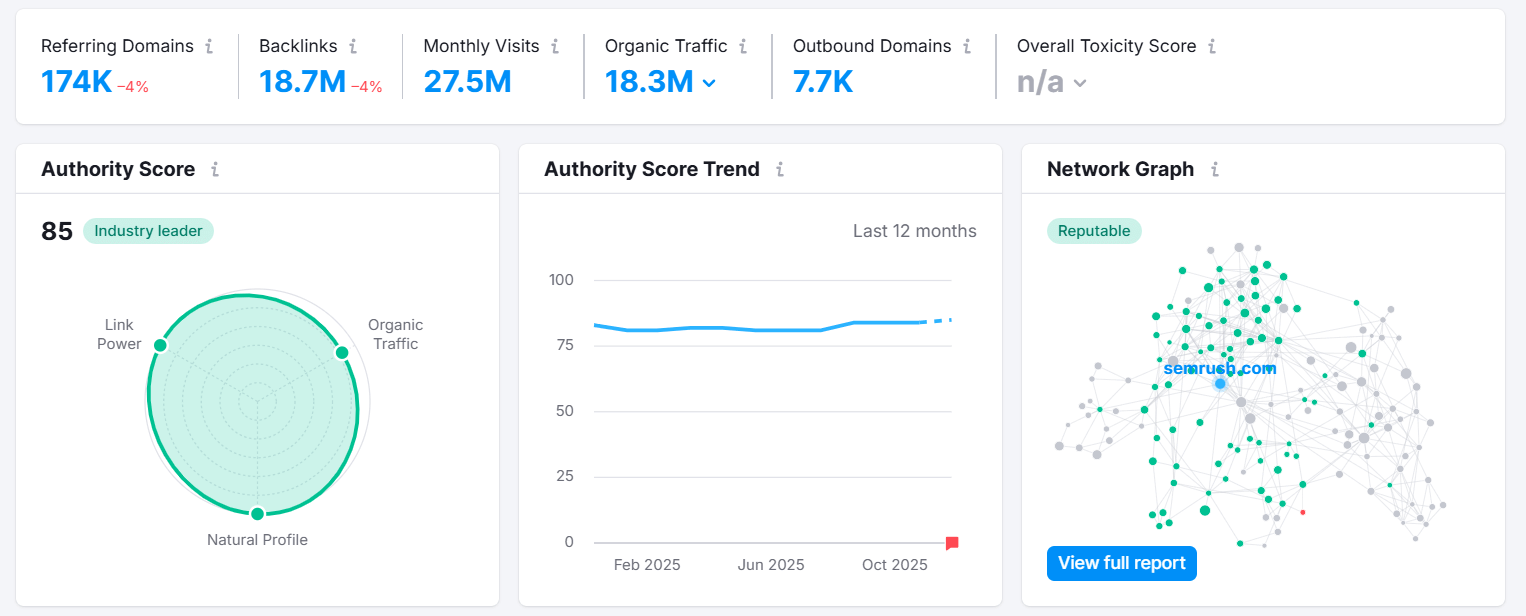
Google still relies heavily on links to figure out who deserves the top spot, but the game has mutated drastically. Here is why you still desperately need them right now:
- Authority and Trust: It is a simple popularity contest. Think of a backlink as a digital vote of confidence. When a massive, trusted website points to yours, Google immediately assumes you belong in the same club.
- Topical Relevance: If five major cooking blogs link to your new recipe app, the search spiders instantly understand exactly what your niche is. Context is literally everything.
- AI and LLM Visibility: This is the massive shift for 2026. Massive AI engines like ChatGPT and Google's AI Overviews don't just guess; they aggressively scrape the web for the most heavily cited sources. If you don't have backlinks, the AI bots will simply ignore you and cite your competitor instead.
- Referral Traffic: A solid link isn't just a nerdy SEO metric. It sends real, actual human beings with open wallets directly to your landing pages.
In short, without backlinks, you are basically trying to drive a sports car with absolutely no gas. It looks nice in the driveway, but it isn't going anywhere.
Further reading: Want to totally geek out on the technical mechanics behind this? Check out Moz’s guide to backlinks to see exactly how the search spiders treat them.
Understanding Modern Link Building
Forget the old days of mass-submitting your URL to shady directories or begging random strangers for link exchanges. If you try that today, Google will nuke your site from orbit. Winning the link game right now is all about:
- Quality over quantity: Stop chasing raw numbers. It is a trap. Look at the Domain Authority of the person linking to you.
- Contextual relevance: A link jammed into the hidden footer of a site is completely worthless. You want your URL sitting naturally right in the middle of a highly related paragraph.
- Natural acquisition: The absolute safest link on earth is the one you actually earned because your article was insanely helpful.
- Brand mentions and co-citations: Even if a major news outlet drops your company name without a clickable link, modern algorithms are smart enough to connect the dots and credit your overall authority.
Let’s break down the actual, boots-on-the-ground strategies to pull this off.
Create Link-Worthy Content Assets
Nobody is going to voluntarily link to your boring "Contact Us" page. If you want links, you have to build "link magnets"—assets that are so incredibly useful that other bloggers feel stupid not linking to them.
1. Original Research and Data
Let's be real: freelance writers and journalists are always scrambling for fresh statistics to back up their claims. If you publish original data, they will steal your chart and link back to you out of sheer obligation.
- Run a massive survey in your industry and publish the shocking results.
- Analyze market trends using your own internal company data.
- Compile a massive list of hard statistics and update it every single year.
Example: Look at HubSpot’s annual marketing statistics page. It is a literal backlink printing machine.
2. Free Tools and Calculators
People absolutely love free stuff that solves an immediate headache. Build a simple tool, and people will naturally link to it because it is inherently useful.
- A free SEO website auditor.
- A complex mortgage or ROI calculator.
- Downloadable Excel templates for massive headaches like taxes or content calendars.
Tip: Put your free tool on its own dedicated URL so it is incredibly easy for people to pass around.
3. Definitive Guides and Tutorials
Stop writing flimsy 500-word fluff pieces. Write the absolute final, 5,000-word monster guide on a specific topic so nobody else ever needs to cover it again.
- Brutally detailed, step-by-step tutorials with custom screenshots.
- "The Ultimate Guide to X" that covers the topic from A to Z.
When competitors write their shorter posts on the same topic, they will often just link to your massive guide so they don't have to explain everything themselves.
4. Industry Roundups and Expert Insights
Send one interesting question to twenty different experts in your niche. Compile their answers into one massive roundup post.
- “Top 10 Tools for [Industry] in 2026”
- “Expert Predictions for [Topic]”
The magic trick here? Once it goes live, you email all 20 experts. Half of them will instantly share it on social media and link to it from their own blogs just to brag to their audience.
Further reading: Want to see exactly how to structure these magnets? Read Backlinko’s link building guide.
Leverage Digital PR and Journalist Outreach
Stop waiting around for links to magically fall into your lap. You need to actively insert yourself into the daily news cycle.
1. Respond to Press Requests
Journalists are constantly begging for expert quotes to finish their articles. Sign up for these free platforms immediately:
Scan the daily emails. If a reporter asks a question about your niche, send them a punchy, two-paragraph answer. If they use your quote, you almost always get a massive, high-authority backlink in return.
2. Build Relationships with Industry Writers
Stop spamming editors with cold pitches. Go find them on LinkedIn or Twitter. Actually read their articles, leave a real comment, and offer value. Build a relationship first, so when you finally do pitch them a story, they actually open your email.
3. Pitch Newsworthy Stories
Did your company just uncover some wild new data? Did you launch a genuinely disruptive product? Package it into a tight, zero-fluff pitch and send it directly to the people covering your specific beat.
Pro tip: Use expensive PR tools like Muck Rack or Cision to find the exact email addresses of the journalists who actually care about your weird niche.
Strategic Guest Posting
Yes, guest posting still works, but only if you stop doing it like a spammer. Spamming 100 random blogs with terrible AI-written articles will get you nowhere. Here is the modern way to execute this:
- Only target massive, highly respected websites in your exact industry. Avoid garbage sites that have a tacky "Write for us for $50" banner.
- Pitch a highly original, controversial, or deeply researched topic that their audience hasn't seen a million times already.
- Naturally sneak a highly relevant link back to one of your massive "Link Magnets" right in the middle of the article.
- Don't do it once. Try to become a regular contributor to build unshakeable authority.
Guest posts don't just hand you a link; they put your name directly in front of thousands of potential buyers.
Build Links from Resource Pages and Directories
This is totally old school, but it still works beautifully if you aren't lazy about it. Tons of universities and massive industry hubs curate "Resource" pages.
1. Find Relevant Resource Pages
Use these exact Google search operators to uncover hidden pages in your specific niche:
- site:.edu “resources” + [your topic]
- intitle:resources inurl:links + [your keyword]
Manually check the page first. If it looks like a spammy link farm, run away immediately.
2. Suggest Your Resource
Find the webmaster's email and keep your message incredibly short. Politely point out a dead link on their page (they genuinely appreciate this), and then casually offer your ultimate guide as a replacement.
3. Local and Industry Directories
If you own a physical business, you absolutely must get listed on Yelp, your local Chamber of Commerce, and industry-specific hubs. Ensure your Name, Address, and Phone Number (NAP) match perfectly across the entire internet.
Further reading: Don't know where to start? Check out this massive list of BrightLocal’s citation sites.
Reclaim Lost and Unlinked Mentions
This is basically free SEO juice sitting on the table. Sometimes people write about your company but completely forget to add the actual hyperlink.
1. Find Unlinked Brand Mentions
Set up alerts using Semrush Brand Monitoring or Ahrefs Alerts. Whenever someone types your company name anywhere online, you get pinged.
2. Reach Out and Request a Link
If they mentioned you but forgot the link, just send a friendly email. Thank them for the shoutout, and politely ask if they wouldn't mind making your brand name clickable so their readers can find you. They almost always say yes.
3. Fix Broken Backlinks
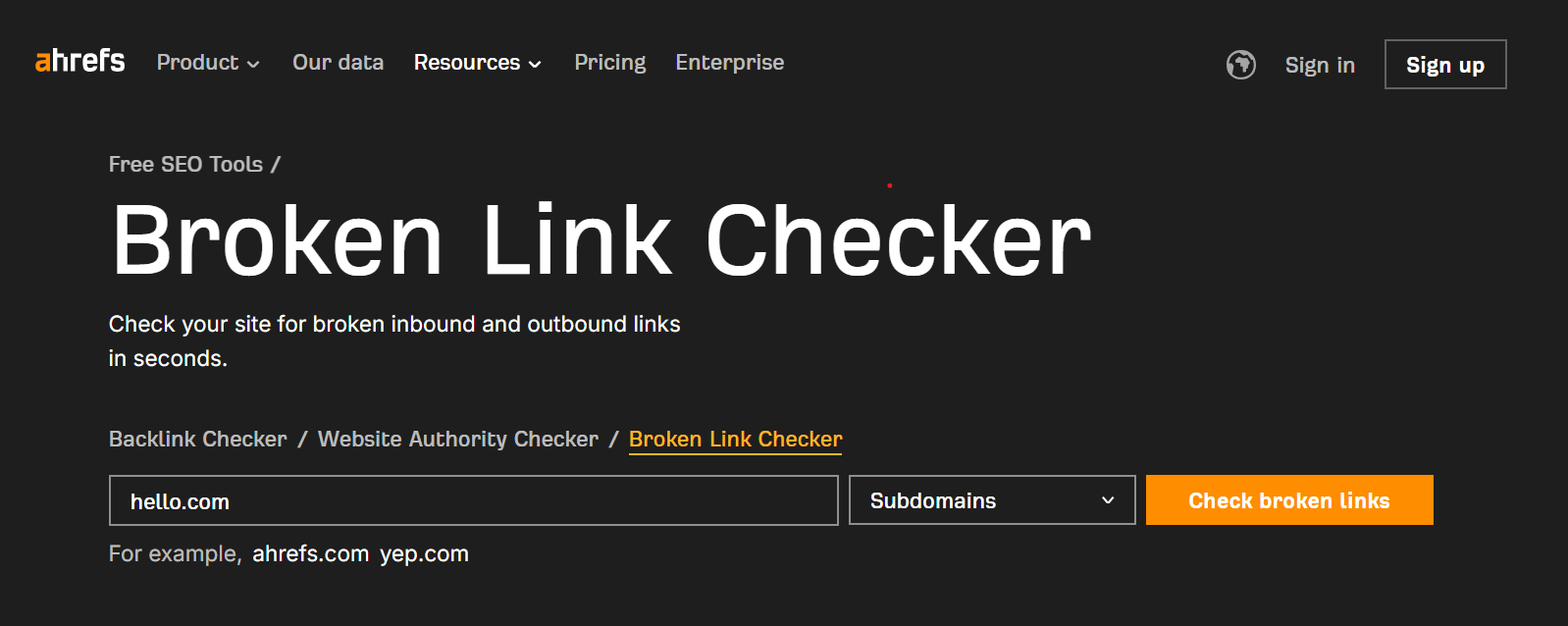
If you ever delete an old article, all the links pointing to it instantly die and throw a 404 error. That kills your hard-earned authority. Find those dead links and set up a 301 redirect to point them to a live page.
Pro tip: You cannot do this manually. You need heavy-duty software. Grab a Semrush Free Trial or read our brutal breakdown of Ahrefs vs Semrush to see which tool catches more broken links.
Leverage Partnerships and Collaborations
Stop playing solo. Find businesses that do something similar but don't compete directly with you, and trade value with them:
- Co-host a massive webinar or record a podcast episode together. You both naturally link to the event on your respective sites.
- Buy their software, actually use it, and offer to let them write a case study about your success. They will gladly slap your logo and a backlink right on their homepage.
- Sponsor local industry meetups or charity events. They always link to their sponsors on the event page.
Use Branded Strategies and Named Methods
Do you have a weirdly specific way of doing things? Give it a ridiculously catchy name. People naturally love linking to named concepts.
- Write a detailed case study explaining exactly how your method works.
- Brian Dean did this famously with the "Skyscraper Technique." Because he gave it a cool name, thousands of marketers link back to him every time they talk about it.
- Promote your weirdly named method on podcasts and Twitter until it catches fire.
Launch an Affiliate or Ambassador Program
Want an army of content creators aggressively linking to your product pages? Start paying them a cut.
- Set up a program using a tool like Impact or PartnerStack.
- Give influencers 20% of every sale they bring in.
- Suddenly, hundreds of YouTubers and reviewers are writing massive listicles and dropping your link everywhere because they want to get paid.
Just make absolutely sure they are using "sponsored" link tags so Google doesn't penalize you for buying organic links.
Monitor and Optimize Your Backlink Profile
You can't just build this stuff and ignore it. You have to guard your profile aggressively:
- Hook your site up to Semrush, Ahrefs, or a free tool like SEO Review Tools to watch your link velocity closely.
- If a shady competitor tries to ruin your rankings by blasting you with 10,000 toxic Russian bot links, you need to use Google's Disavow Tool immediately to block them.
- Watch the data to see which of your posts naturally pulls in the most links, and go write five more exactly like it.
Common Link Building Mistakes to Avoid
- Prioritizing quantity over quality: One more time for the people in the back: a single link from a massive news site is worth a thousand cheap directory submissions.
- Using manipulative tactics: Stop buying cheap links on Fiverr. Stop joining Private Blog Networks (PBNs). The algorithm will catch you and bury your site.
- Ignoring relevance: If you sell gardening tools, a backlink from a crypto blog looks wildly suspicious and offers zero value. Keep it relevant.
- Neglecting relationship-building: Stop sending automated, robotic emails begging for links. Treat webmasters like actual humans.
- Failing to track results: If you don't monitor your dashboard, you have no idea what is actually working.
Advanced Tactics for 2026
- Feed the AI: Make your text incredibly easy for AI bots to read. Use clean, obvious headers and inject FAQ schema so the bots can scrape your answers instantly.
- Force Co-Citations: Try to get your brand mentioned in the exact same sentence as the giants in your industry. Google will start to associate your authority with theirs.
- Dominate everywhere: It's not just about blog posts anymore. Build your presence on YouTube, high-end podcasts, and LinkedIn. AI scrapes everything.
- Pass the juice around: When you finally land a massive external backlink to a blog post, immediately log in and add internal links from that post to your money-making sales pages to pass the authority along.
Further reading: Want to see how the technical backend stuff ties into this? Dive deep into our brutal comparison on SEO Onpage VS Offpage Optimization.
Your Link Building Action Plan
- Run a brutal audit of your current profile. Find out exactly how far behind your competitors you actually are.
- Lock yourself in a room and build three undeniably amazing content assets.
- Do the actual Keyword Research to figure out exactly who you should be pitching.
- Stop using email templates. Send personalized, human outreach messages.
- Hustle hard for guest posts, podcast slots, and digital PR.
- Stare at your analytics, figure out what moves the needle, and double down.
Conclusion: Getting Backlinks in 2026
Building a massive backlink profile in 2026 isn't some shady SEO trick. It is literally how you force the internet—and the incoming wave of terrifying AI engines—to respect your brand as an absolute authority. If you ditch the spammy shortcuts and focus heavily on creating elite content and real relationships, you'll build a defensive moat around your business that your competitors can't touch.
Stop looking for shortcuts. Start building those assets today, and watch your organic traffic take off.
Want to go deeper down the rabbit hole? Take a look at the brutal reality of Amazon FBA VS. Dropshipping, or see how to weaponize your audience with Affiliate vs Referral Marketing.