Let's be brutally honest for a second: picking the right SEO software in 2026 can literally make or break your entire digital marketing strategy.
Search engines are practically shape-shifting every few months. AI-generated answers are completely hijacking traditional search visibility, and frankly, the competition is absolutely ruthless right now. You don't just need a tool that spits out raw data anymore; you need something that hands you actionable game plans, automates the boring stuff, and covers multiple platforms effortlessly.
If you're like most marketers, your final decision is probably staring down two absolute heavyweights: Ahrefs and Semrush.
So, which one actually deserves your budget?
I'm going to walk you through a completely unfiltered, side-by-side breakdown of both platforms. We’ll dig into their raw data accuracy, what they cost, how they actually feel to use, and where each one secretly outshines the other. Whether you are running a solo blog, managing a bustling agency, or heading up an enterprise marketing team, you'll walk away knowing exactly which tool fits your vibe.
Pro tip: Both of these giants offer free trials or test-drive accounts. Honestly, if you're still sitting on the fence, just boot them both up simultaneously. Plug in your own domain and a rival's site, and see which dashboard actually makes sense to your brain.
Ahrefs vs Semrush: Quick Overview
| Feature | Ahrefs | Semrush |
|---|---|---|
| Keyword Research | Top-tier, insanely deep SERP breakdowns | The absolute biggest database, killer intent filters |
| Backlink Analysis | Lightning-fast link discovery, great context | Super comprehensive, includes a toxicity radar |
| Site Audit | Solid, straight-to-the-point action plans | Highly customizable, packed with AI advice |
| Content Tools | Content Explorer is magic for finding gaps | Writing Assistant and brilliant topic clusters |
| Rank Tracking | Dead accurate, updates every single day | Super flexible, handles local and mobile flawlessly |
| PPC & Social | Pretty barebones, honestly | A complete powerhouse (PPC, social scheduling, display) |
| AI/LLM Visibility | Still pretty basic (as of 2026) | Way ahead of the curve (Dedicated AI Visibility Toolkit) |
| Pricing (Entry) | $99/mo | $139.95/mo (comes with a free trial) |
Look, they are both absolute beasts. But the "perfect" choice really just depends on what you do all day. Let’s break down the specifics.
Keyword Research: Depth, Data, and Discovery
Keyword research is basically the heartbeat of any SEO campaign. Both platforms bring serious firepower here, but they tackle the data in totally different ways.
Ahrefs Keyword Explorer

- A ridiculously huge database covering Google, Bing, YouTube, Amazon, and more.
- Their keyword difficulty scores and SERP snapshots are arguably the best in the business.
- The "Parent topic" grouping is a lifesaver when you want to dominate broader themes.
- They use clickstream data, which means their search volume estimates are surprisingly grounded in reality.
- Easily breaks down keyword ideas by actual user intent and common questions.
If your daily grind involves international SEO, hunting down obscure long-tail keywords, or obsessing over SERP features, Ahrefs feels like a cheat code.
Semrush Keyword Magic Tool
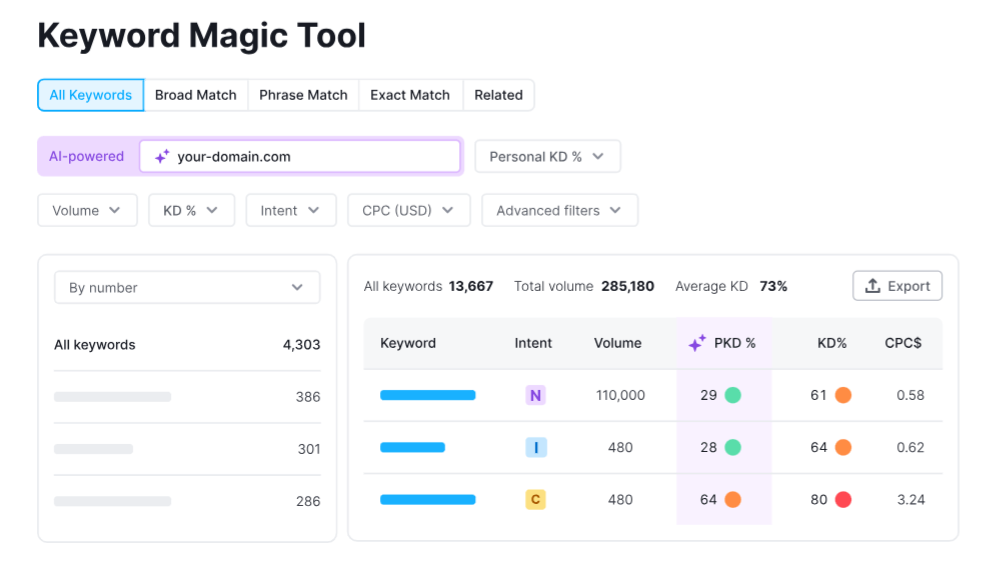
- Currently holds the crown for the biggest database on the market (over 25 billion terms right now in 2026).
- Incredible filtering options for search intent, questions, and organizing topic clusters.
- The Keyword Gap tool is legendary for throwing your site against multiple competitors to see what you're missing.
- A super neat Keyword Manager to keep your messy lists perfectly organized.
- Flows seamlessly right into their PPC and content writing tools.
Semrush really steals the show when it comes to the sheer volume of data, building out topic clusters, and moving smoothly from researching keywords to actually writing the content.
Further reading: Want to completely overhaul your keyword game? Dive into our massive Keyword Research playbook.
Which Is Better?
If you want to surgically dissect the SERPs and need flawless international data, grab Ahrefs. But if you are all about building topic clusters, mapping out user intent, and keeping your workflow under one roof, Semrush takes the win.
Backlink Analysis: Index Size and Link Context
No matter what anyone says, backlinks still heavily run the SEO world, and AI engines absolutely use them as a trust signal. Both companies have poured millions into their link crawlers.
Ahrefs Backlink Checker
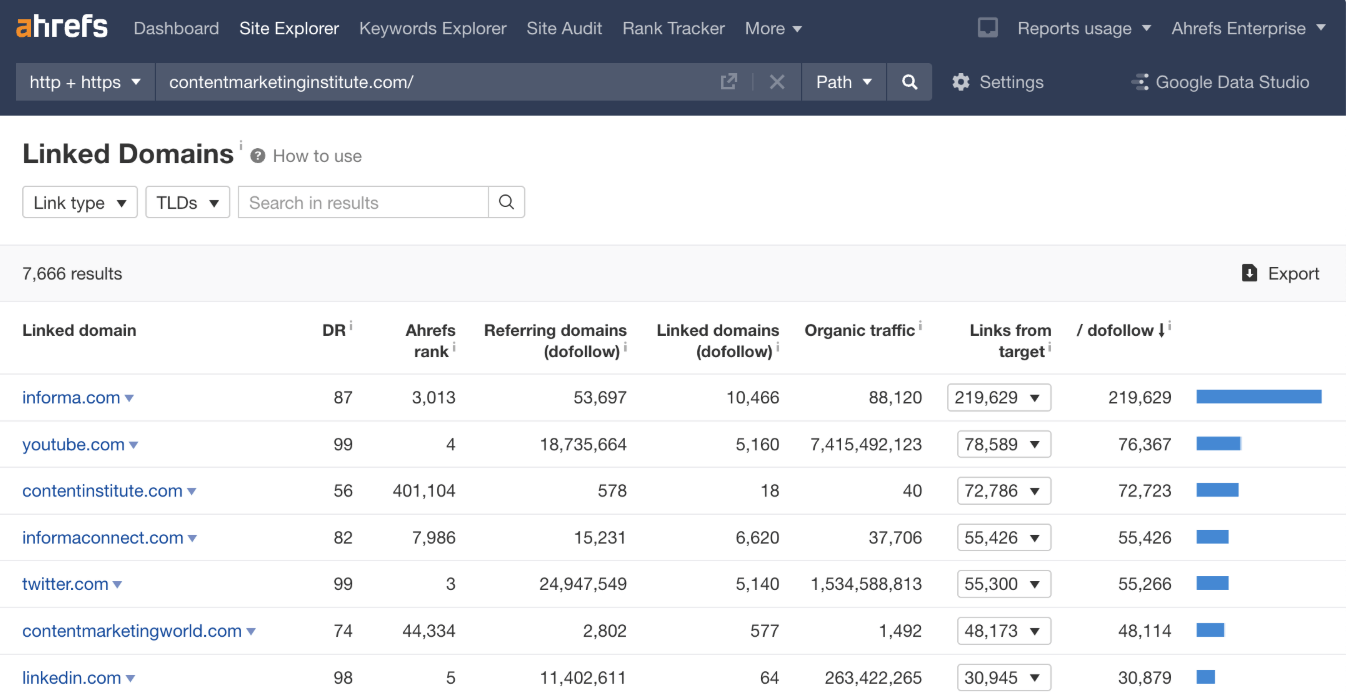
- They generally find new links faster than anybody else on the planet.
- Gives you brilliant context around the link (the exact anchor text, what text surrounds it, and the type of link).
- Phenomenal historical charts so you can see your link profile growing (or tanking) over time.
- Their "Best by links" and "Broken backlinks" reports are absolute goldmines for quick traffic wins.
- Deep dives into referring domains and IP neighborhoods.
Ask almost any veteran SEO, and they’ll tell you Ahrefs is the gold standard for pure, raw backlink analysis. It’s a link builder's dream.
Semrush Backlink Analytics
- A massive, constantly refreshing index of links.
- A built-in toxicity score that acts like a radar for spammy, dangerous links.
- The Backlink Gap tool lets you toss your rivals in and immediately spot who is linking to them but ignoring you.
- Ties directly into their outreach tools so you can actually send emails right from the platform.
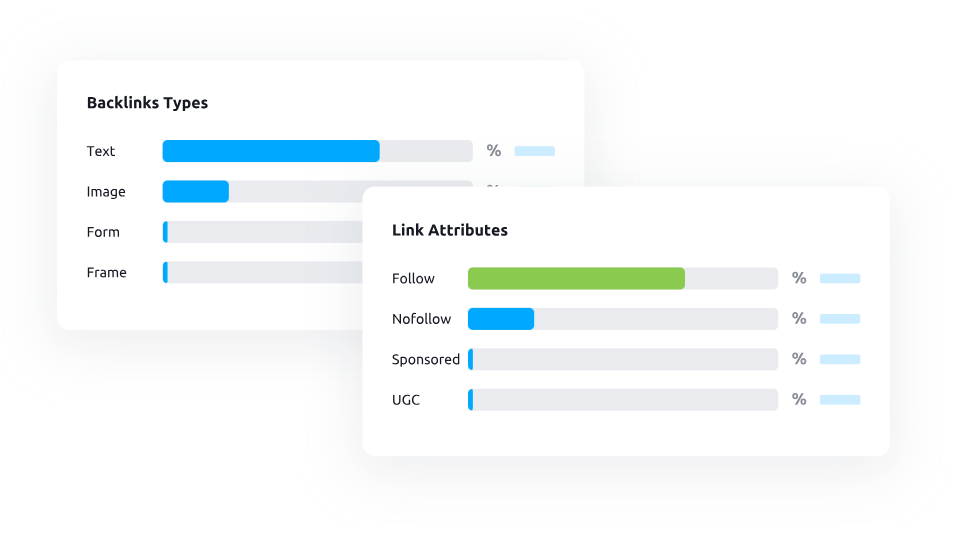
- Awesome visual graphs showing authority and link networks.
Semrush is amazing because it doesn't just show you the links; it actively helps you manage outreach, monitor for toxic spam, and clean up your profile. Agencies managing a dozen clients usually love this.
Further reading: Want to build links that actually move the needle? Check out our 7 strategies to get high-quality backlinks.
Which Is Better?
If you just want raw, lightning-fast backlink discovery, Ahrefs is usually the favorite. But if you want a tool that audits link safety and helps automate your outreach emails, Semrush definitely has the upper hand.
Site Audits and Technical SEO
Technical SEO is the invisible foundation of your website. If it’s broken, neither Google nor AI bots will care about your great content. Both of these tools act like a mechanic for your site.
Ahrefs Site Audit

- Scans your entire domain for over 100 different technical headaches.
- Spits out super clear reports that actually tell you what's a disaster and what can wait.
- Beautifully visualizes your site's architecture and internal link webbing.
- Keeps a running log of your improvements so you can prove you're actually fixing things.
- Hooks up directly with your Google Search Console.
The Ahrefs audit tool is incredibly snappy and very forgiving for beginners. It’s perfect for running a quick health check on a Monday morning.
Semrush Site Audit
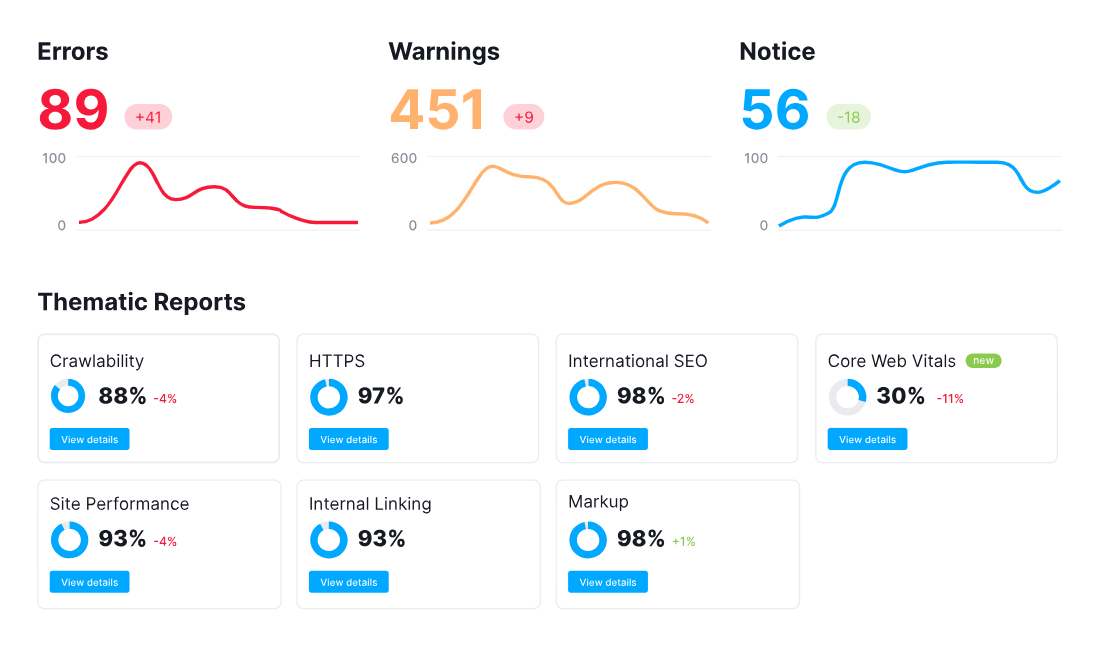
- Runs over 140 intense technical checks (dives deep into Core Web Vitals, schema markup, and weird mobile glitches).
- Uses AI to actually suggest how to fix things and tells you what to prioritize first.
- Lets you heavily customize how the crawler behaves and schedule automated runs.
- Talks perfectly with Google Analytics, GSC, and the rest of the Semrush ecosystem.
- Generates gorgeous white-label reports that you can hand straight to a client.
The Semrush auditor is definitely a bit beefier. It’s highly customizable, which makes it a powerhouse for technical SEO nerds and agencies.
Further reading: If you're getting lost in the technical weeds, pull up our SEO Onpage vs Offpage Optimization checklist to get back on track.
Which Is Better?
For power users and agencies who need white-label reporting, Semrush is much more flexible. However, if you just want a fast, no-nonsense list of what's broken so you can fix it and move on, Ahrefs is a joy to use.
Content Marketing and Topic Research
You can't win SEO today without killer content. Luckily, both of these platforms have evolved to help you figure out exactly what to write next.
Ahrefs Content Explorer
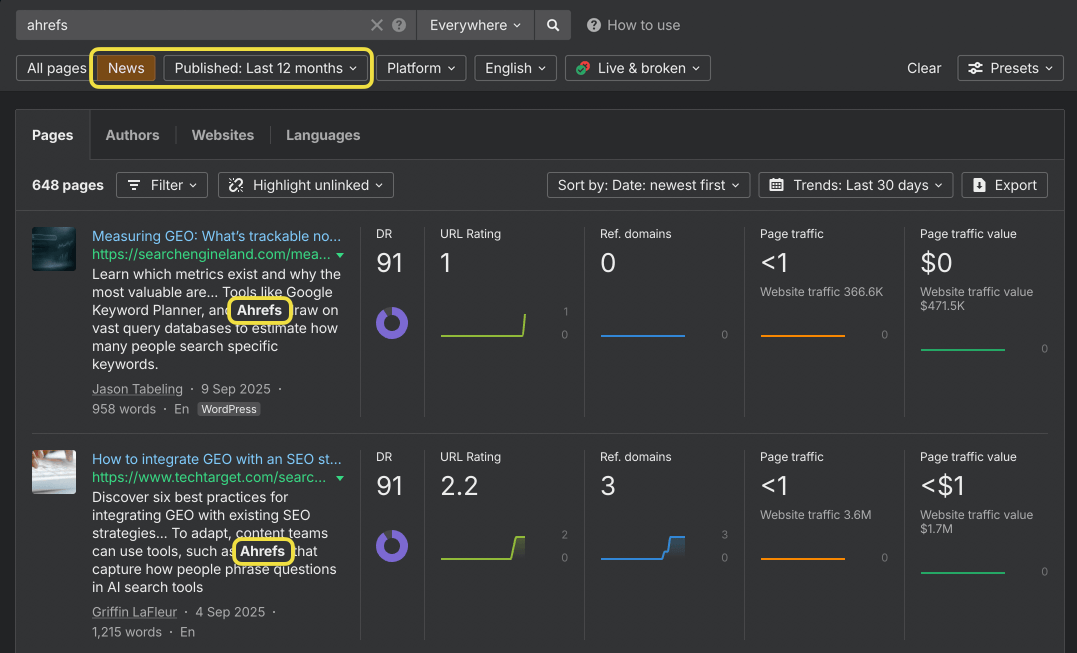
- Basically a mini search engine of billions of pages to see what content is currently going viral.
- Lets you filter articles by organic traffic, backlink counts, social shares, and when they were published.
- Incredible for spotting glaring content gaps in your niche.
- Makes reverse-engineering your competitor's content strategy dangerously easy.
Semrush Content Marketing Toolkit
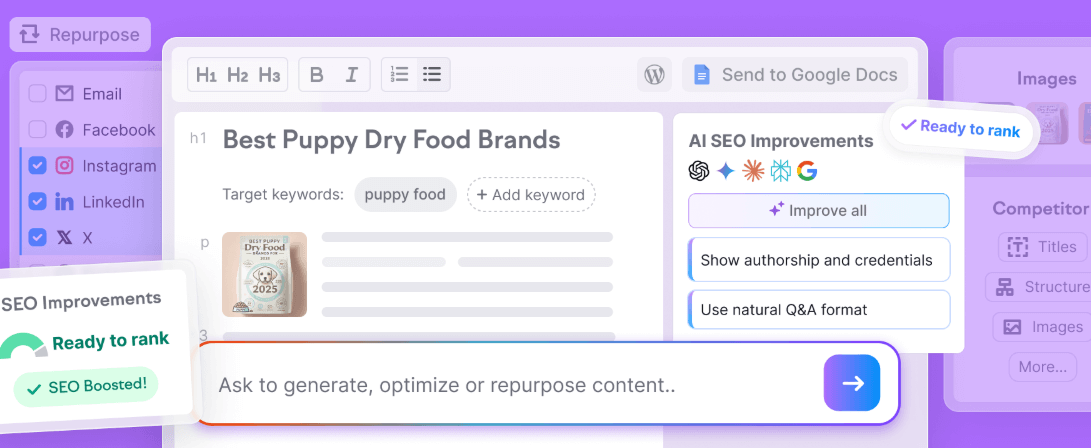
- A dedicated Topic Research tool that feeds you fresh ideas and the exact questions people are typing.
- The SEO Writing Assistant is brilliant—it practically grades your content as you type it.
- A built-in Content Audit tool to warn you when your older posts are starting to die off.
- Generates AI-powered content briefs so you can hand a perfect outline to a freelance writer.
If you write a lot, Semrush feels like having an editor over your shoulder. Ahrefs, on the other hand, acts more like a private investigator helping you uncover what’s working for everyone else.
Rank Tracking and Position Monitoring
We all have that bad habit of checking our rankings way too often. Here is how they handle the data.
Ahrefs Rank Tracker

- Refreshes your tracked keywords every single day without you asking.
- Splits out your mobile performance from desktop.
- Gives you a great Share of Voice metric so you know exactly who is stealing your clicks.
- Handles hyper-specific, city-level tracking for local SEO.
Semrush Position Tracking
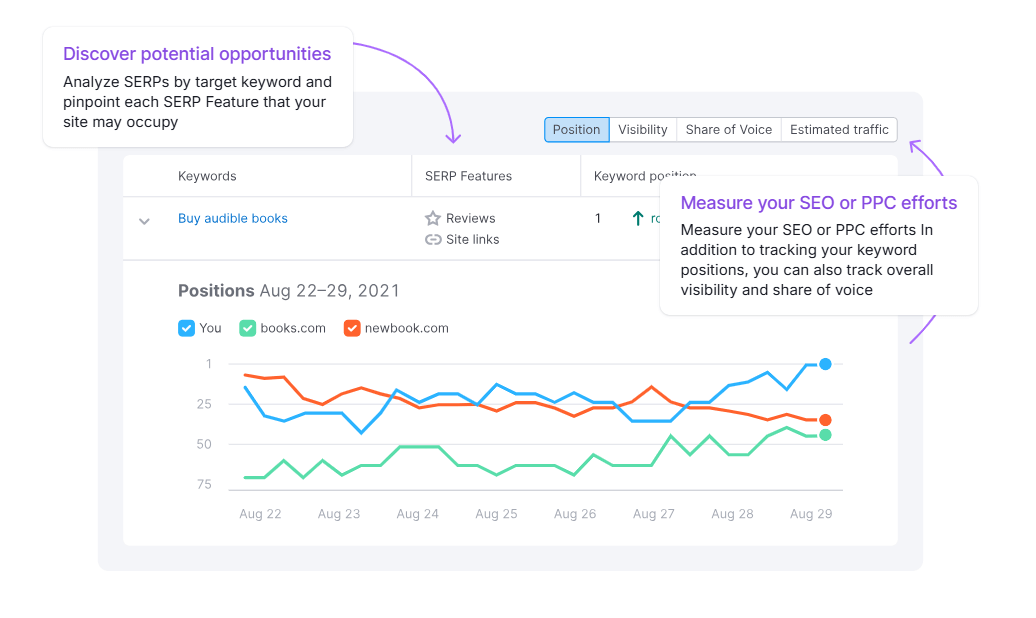
- Insanely flexible (track by zip code, mobile vs desktop, or even specific device types).
- In-depth visibility metrics to show your overall market dominance.
- Pings you with alerts the second your rankings take a sudden dive or jump.
- Plugs straight into Google Data Studio for those big, fancy client dashboards.
Honestly, you can't go wrong with either. They are both dead accurate. Semrush just gives you a bit more freedom to slice and dice the data for client reports.
AI Visibility and Answer Engine Optimization
This is the wild west of 2026. Tools like ChatGPT, Gemini, and Perplexity are completely changing how people find information. Tracking your brand inside these AI answers is the new gold rush.
Ahrefs

- Does a solid job tracking old-school featured snippets and People Also Ask boxes.
- As of right now, they still don't have a dedicated dashboard specifically for tracking LLM/AI answers.
Semrush
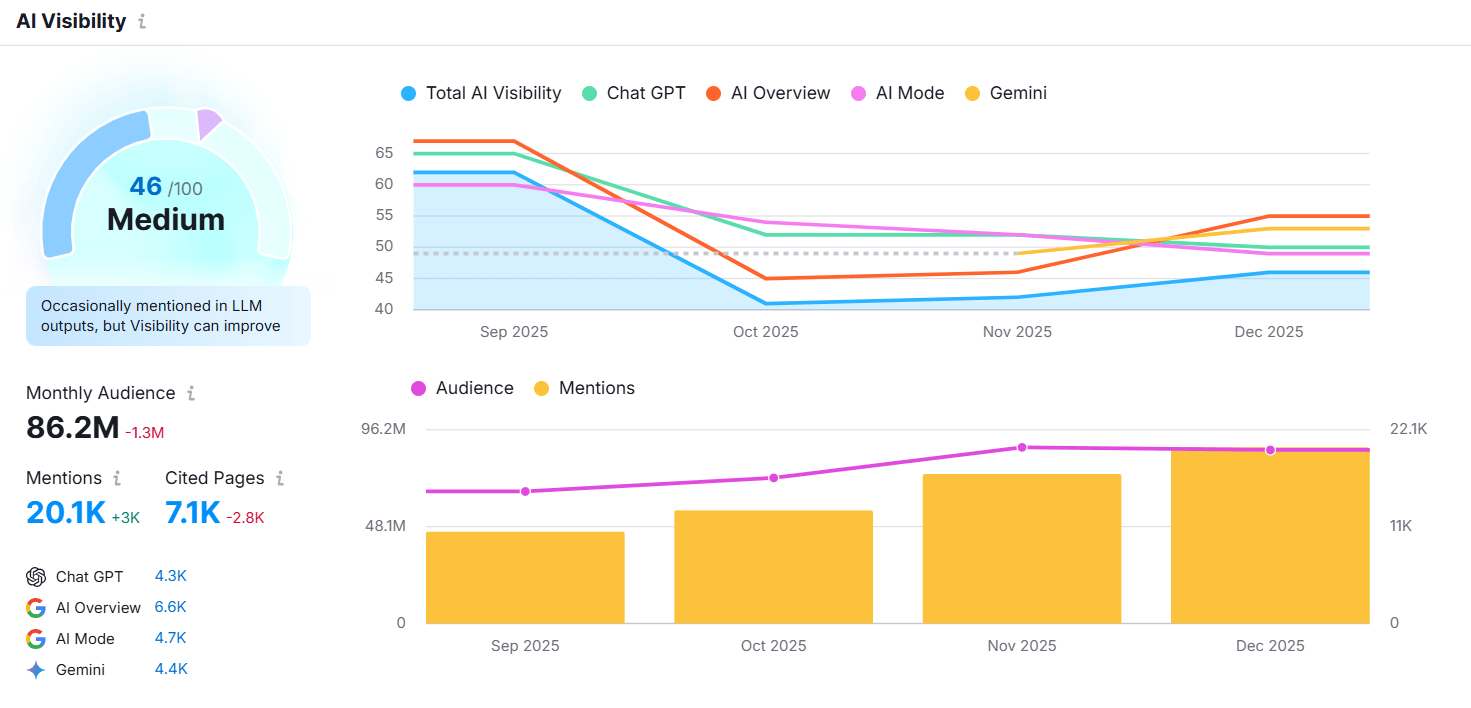
- They launched an actual AI Visibility Toolkit that tracks if ChatGPT, Gemini, or Claude are recommending your brand.
- Analyzes the sentiment (are the bots saying nice things about you?) and your share of voice in AI results.
- Actually hands you tips on how to manipulate these language models to favor your content.
This isn't even close. Semrush saw the AI wave coming and built a dedicated tool for it. If future-proofing against AI search is a priority for you, Semrush is the only real option here.
Further reading: Want to understand how bots are choosing winners? Read up on Search Engine Positioning SEO in the AI era.
Pricing and Plans: What Do You Get?
Let's talk money. Neither of these tools is exactly cheap, but here is what the landscape looks like in 2026:
| Plan | Ahrefs | Semrush |
|---|---|---|
| Entry | $99/mo (Lite) | $139.95/mo (Pro) |
| Standard | $199/mo (Standard) | $249.95/mo (Guru) |
| Advanced | $399/mo (Advanced) | $499.95/mo (Business) |
| Free Trial | 7-day trial for $7 | 14-day free trial (SEMrush Free Trial) |
Both companies put caps on things like how many users you can have or how many reports you can pull per day. Semrush costs a bit more upfront, but keep in mind you are getting a massive suite of PPC, social media, and AI tools bundled in. Ahrefs is slightly cheaper but stays laser-focused just on SEO and content.
Usability and Support
Since these are heavy web-based apps, how they actually feel to use day-to-day matters a lot.
- Ahrefs: The interface is super clean and minimal. It rarely feels laggy, and a total beginner can usually figure out the basics in an afternoon. It just does what it says on the tin.
- Semrush: Because it does literally everything, the dashboard can feel a little intimidating the first time you log in. However, they make up for it with amazing guided tours, pop-up tips, and endless integrations with tools you probably already use.
Both have stellar customer support. Semrush leans heavily into free webinars and massive training academies. Ahrefs is legendary for just having a really smart support team that replies to your emails incredibly fast.
Unique Strengths and Weaknesses
Ahrefs Strengths
- Hands down, the best backlink index and link discovery engine available.
- Unmatched depth when analyzing the SERPs and keyword difficulty.
- The Content Explorer is an absolute weapon for spying on competitors.
- It never feels bloated; it’s just fast and reliable.
Ahrefs Weaknesses
- Almost zero tools for social media, paid ads, or AI tracking.
- You won't find a CRM or built-in email outreach tools here.
- Tends to be a bit stingy with API access and third-party integrations.
Semrush Strengths
- It is a true all-in-one marketing beast (covers SEO, paid ads, social media, and AI).
- Features the largest keyword database and the smartest topic clustering algorithm.
- You can handle all your outreach, client reporting, and workflow in one browser tab.
- The AI Visibility Toolkit puts it miles ahead for tracking mentions in ChatGPT and Gemini.
Semrush Weaknesses
- The dashboard can absolutely overwhelm a beginner.
- Some of the coolest historical features are locked behind their expensive Guru plan.
- If you run a tiny blog, you might be paying for 20 features you'll literally never use.
Which Should You Choose?
If you're still stuck, here is the brutally simple breakdown:
- Pull the trigger on Ahrefs if: You are obsessed with backlinks and deep SERP analysis. You don't care about running Facebook ads or tracking AI bots, and you just want a blazing fast, clean interface that gets straight to the SEO data.
- Pull the trigger on Semrush if: You want a Swiss Army knife. You handle SEO, run some paid ads, manage content, and want to know what AI models are saying about your brand. You love having all your reports and workflows integrated into one massive dashboard.
Honestly, heading into 2026, Semrush is generally the smarter play for agencies, bigger teams, or anyone nervous about the AI search revolution. But if you are a solo niche site builder or a hardcore link-building specialist, Ahrefs is still the crowd favorite.
Real-World Use Cases and Workflows
Solo SEO or Blogger
- Ahrefs: Perfect for jumping in, finding a low-competition keyword, checking who links to the top guy, and logging out. Very frictionless.
- Semrush: It might feel like overkill at first, but having their Writing Assistant grade your blog posts in real-time is a massive workflow upgrade.
Agency or In-House Team
- Semrush: It was basically built for you. You can juggle 10 different client projects, run automated technical audits, and generate beautiful PDF reports while keeping an eye on their AI visibility.
- Ahrefs: Usually used as a specialized tool by the senior SEOs on the team to map out link-building campaigns or find sneaky content gaps.
Enterprise or Brand
- Semrush: Their top-tier plans give you the API access, team permissions, and advanced AI tracking that big corporate boards want to see.
- Ahrefs: Essential for massive, global brands that need to monitor millions of backlinks and fend off negative SEO attacks.
Integration with Other Tools
Semrush plays really nicely with others. Right out of the box, it hooks into Google Analytics, Search Console, Data Studio, Trello, and a bunch of CRM platforms. Ahrefs behaves a bit more like a walled garden, though they do offer API access if you have a developer on hand to build custom dashboards.
Free Trials and Getting Started
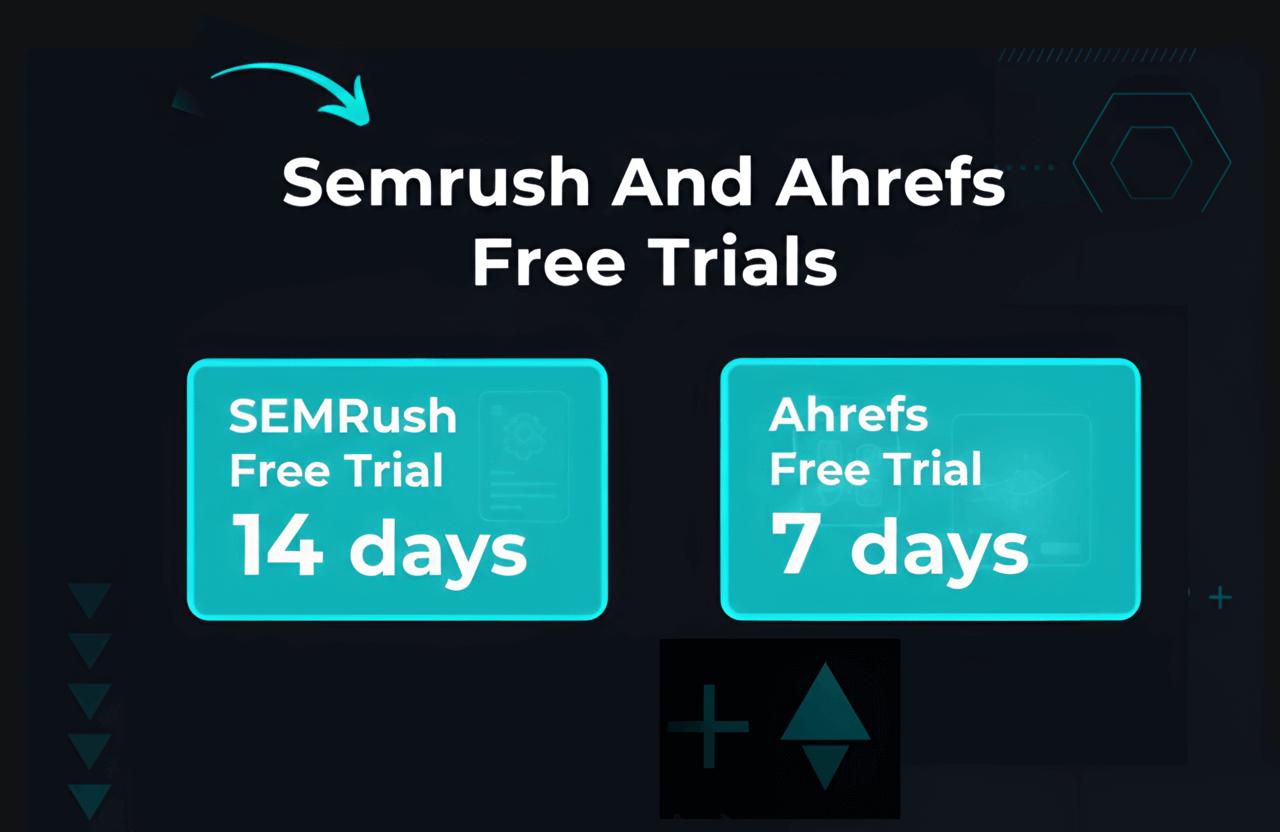
- Ahrefs: They offer a 7-day trial for 7 bucks. It gets you into the dashboard, but beware—there are some annoying limits on how much data you can pull during the trial.
- Semrush: They actually give you a full 14-day free trial (grab it here: SEMrush Free Trial). You get to play with the completely unlocked Pro or Guru tools for two weeks.
Getting started on either is painless. Just hook up your domain, let the site auditor run while you grab a coffee, and then go poke around the keyword tools. Treat the trial like a real workday and see which one frustrates you less.
FAQs: Ahrefs vs Semrush
Can I just use both Ahrefs and Semrush together?
Totally. In fact, a lot of hardcore SEO agencies pay for both. They use Ahrefs for link building and Semrush for content planning and reporting. If you have the budget, it’s the ultimate setup.
Which tool is better for an absolute beginner?
Ahrefs is definitely less intimidating when you first log in. However, Semrush has way more pop-up guides and a massive free academy to actually teach you SEO while you use the tool.
Which one actually has more accurate search volumes?
It's an ongoing debate. Both use incredibly smart proprietary databases mixed with clickstream data. Semrush usually has a bigger raw list of keywords, but Ahrefs is widely praised for having more realistic difficulty scores. Always take both with a grain of salt and check your own Google Search Console data.
Which is better for surviving the AI search engine era?
Semrush, hands down. Their AI Visibility Toolkit is lightyears ahead right now, actually tracking how ChatGPT and other LLMs view your brand.
Final Thoughts: The Right Tool for 2026 and Beyond
Look, surviving SEO in 2026 isn't just about tweaking title tags anymore. It’s a multi-dimensional game. You need a toolkit that actively helps you:
- Spot high-converting keywords before your competitors do.
- Hunt down authoritative backlinks that actually move the needle.
- Keep the technical backend of your site completely bug-free.
- Track your brand's pulse across traditional search AND AI chat models.
- Tie all of this data into your writing and outreach routines seamlessly.
At the end of the day, Ahrefs and Semrush are both legendary pieces of software. Your final pick just comes down to your budget, how big your team is, and how your brain likes to work.
If you want the ultimate all-in-one dashboard with killer AI tracking and beautiful reports, Semrush is the winner for 2026. If you want a ridiculously fast, hyper-focused tool for deep link building and content gap analysis, Ahrefs won't let you down.
Whichever one you swipe your card for, just commit to it. Learn every weird feature, read their blogs, and make it part of your daily routine. A $200/month tool is completely useless if you only log in twice a year.
Ready to stop overthinking and just try one? Fire up a SEMrush Free Trial or drop the $7 for the Ahrefs test drive. Plug your site in, and see which one actually helps you grow in 2026.