
Let's get completely real for a minute: search engine positioning SEO is practically the only lifeline keeping your business from fading into total internet obscurity.
Just think about your own browsing habits for a second. When was the last time you actually clicked over to page two of Google to find what you were looking for? Exactly. Almost nobody does it. That is precisely why fighting tooth and nail to shove your website to the absolute top of the search results isn't just a fun marketing goal in 2026—it is basic survival.
But here is the genuinely frustrating part:
The algorithms running these search engines are getting ridiculously smart. Your competitors are absolutely cutthroat. And the users? They expect a flawless answer to pop up instantly. To actually win this game, blindly tossing some keywords onto a webpage simply isn't going to cut it anymore. You need a highly strategic, almost obsessive approach to positioning that actually adapts to how aggressively the internet shifts.
Consider this guide your no-nonsense playbook. We are going to break down the exact tactics, tools, and gritty real-world strategies that actually move the needle for your rankings today, so you can steal those top spots and refuse to give them back.
Quick tip: Claiming that #1 spot isn't a one-and-done chore you cross off your to-do list. It is a relentless, ongoing hustle of monitoring and tweaking so you don't get crushed by the next random algorithm update.
What Is Search Engine Positioning SEO?
So, what exactly are we talking about here? Search engine positioning SEO isn't just about driving random, generic traffic to your blog. It is the laser-focused practice of grooming your pages to completely dominate the rankings for very specific, highly lucrative keywords. While regular SEO involves throwing a massive net into the ocean hoping to catch anything, positioning is like using a sniper rifle to hit the exact search terms that actually pay your bills.
Let's say you own a local digital marketing agency. You don't just want random people reading your site; you desperately need to be the first name that pops up when a CEO types "best digital marketing agency" or "SEO services near me." The math here is brutally simple: a higher position equals way more clicks, which ultimately equals a packed calendar.
Pulling this off requires a gritty mix of deep keyword research, annoying technical website tweaks, crafting killer content, aggressive backlink building, and obsessively tracking your data every single week.
Did you know? The insanely smart data folks over at Backlinko found that the #1 organic result on Google practically hogs a massive 27.6% of all clicks. Meanwhile, the entire second page is left fighting over less than 1% combined. See the research.
Why Is Search Engine Positioning Important?
- Visibility: Hitting the top spot puts your brand directly in front of thousands of eyeballs right at the exact moment they are pulling out their credit cards to buy.
- Trust and Authority: Let's face it, society blindly trusts Google. If you rank highly, customers instantly assume you are the top, credible authority in your specific industry.
- Organic Traffic: Dominating those top spots acts like a giant magnet for free clicks, meaning you can finally stop burning so much cash on wildly expensive Facebook ads.
- Competitive Advantage: Every single time you outrank a competitor for a juicy, valuable keyword, you are literally stealing their market share right out from under them.
- AI and Voice Search: The new AI bots and voice assistants pull their answers almost exclusively from top-ranking sites. If you aren't up there, you literally do not exist to the AI.
Further reading: If you want a masterclass on the actual difference between tweaking your site and building links, check out SEO Onpage VS Offpage Optimization.
How Does Search Engine Positioning Work?
At its absolute core, search engine positioning is basically a giant matchmaking game. You are desperately trying to convince Google's robots that your specific page is the absolute best answer on the internet for a user's query. They judge you based on a few massive, unavoidable factors:
- Relevance: Does your content actually answer the specific question the user typed in, or is it just 1,000 words of fluff disguised as an article?
- Authority: How many other heavy-hitting, reputable websites on the internet are currently linking back to yours to vouch for you?
- User Experience: Does your site load instantly? Is it a complete nightmare to read on an iPhone? Google tracks all of these little engagement metrics.
- Technical Health: Is your underlying backend code a messy disaster, or can the search engine spiders crawl and index it perfectly?
- Freshness: Is your content updated for 2026, or is it a dusty old blog post from five years ago that still mentions the iPhone 8?
The search engines use unbelievably complex algorithms to weigh all these signals and assign you a rank. Your sole mission with search engine positioning SEO is to ruthlessly optimize every single one of these buckets so you mathematically deserve the #1 spot.
Pro tip: Please don't guess. Use heavy-duty tools like SEMrush and Ahrefs to legally spy on your competitors, analyze your current positions, and see exactly where you are losing ground.
Step 1: Keyword Research for Positioning

Nailing your search engine positioning completely hinges on picking the right battles. Here is how you actually find those golden keywords:
Identify High-Intent Keywords
- Stop chasing vanity metrics that don't convert. Focus on keywords where the user is actually ready to take action (like targeting "buy running shoes online" instead of the uselessly generic "history of running shoes").
- Run your ideas through actual research tools to see if anyone is even searching for them. Need a step-by-step breakdown? Dive into our massive Keyword Research guide.
- Mix it up. Go after the big, broad "short-tail" keywords, but absolutely do not ignore the ultra-specific "long-tail" questions that capture buyers right at the finish line.
Analyze Competitor Positions
- Throw your biggest rival's URL into a research tool and see exactly which keywords are bringing them traffic, then figure out a plan to steal that traffic.
- Look for the weak spots in their armor. Find keywords where the current top-ranking pages have terrible, thin content, and swoop in to take their spot.
Bonus tip: Scroll down to Google’s "People also ask" and "Related searches" sections. It is a literal goldmine for uncovering the exact weird questions your customers are actually typing into their phones.
Step 2: On-Page Optimization for Top Positions

Okay, you have your target keywords. Now you need to basically spoon-feed them to the search engines to maximize your ranking potential:
Optimize Title Tags and Meta Descriptions
- Naturally weave your primary keywords right into the title of the page and the meta description. Make it sound human, not robotic.
- Treat your meta description exactly like a movie trailer. It needs to be so compelling and click-worthy that they have absolutely no choice but to visit your site.
Structure Content for Readability and Relevance
- Break up massive, intimidating walls of text with clear, keyword-rich headings (H1, H2, H3). Nobody wants to read a digital textbook on a tiny screen.
- Keep your paragraphs ridiculously short. Use bullet points and images constantly to let the reader's eyes rest.
- Don't just mention the main topic; thoroughly answer related questions and cover obscure subtopics to prove you are the ultimate authority in the space.
Optimize URLs and Internal Links
- Keep your URLs incredibly short, punchy, and packed with the target keyword. Avoid weird strings of numbers.
- Create a massive web of internal links pointing to your other relevant pages. It helps users stay on your site longer and spreads your SEO juice around smoothly.
- Want to master the art of internal linking? Jump over to How To Get Backlinks For Your Website.
Further reading: Ready to totally geek out on the technical stuff? See exactly how the Difference Between Article And BlogPosting Schema Markup With Code Examples can drastically change how you show up in search.
Step 3: Create Content That Earns Top Positions

You can't fake your way to the top anymore. If your content is hot garbage, you won't rank. Period. Here is how you build a page that actually deserves to win:
- Cover the Topic In-Depth: Don't just skim the surface and call it a day. Answer every conceivable question a user might have, throw in use cases, and give hyper-specific examples. Be the absolute final destination for their search.
- Use Data, Visuals, and Examples: Back up your wild claims with hard statistics, custom charts, and real-life case studies. It instantly builds massive trust.
- Incorporate Multimedia: People get bored incredibly easily. Drop in custom images, embed a highly relevant YouTube video, or add interactive infographics to skyrocket your engagement and dwell time.
- Update Regularly: A page that hasn't been updated in three years is effectively dead to Google. Revisit your best articles frequently to maintain your position and satisfy those crucial freshness signals.
Pro tip: Never, ever steal content. Use plagiarism checker tools to ensure your stuff is 100% original and unique. We reviewed the absolute best ones right here: Plagiarism Checker Free Online Tools.
Step 4: Technical SEO for Better Positioning
Imagine writing a literary masterpiece, but burying it in a locked underground vault. That’s what terrible technical SEO does to your content. Fix these key areas immediately before you do anything else:
Site Speed and Performance
- Compress those massive, heavy image files, set up browser caching, and absolutely invest in a blazing fast content delivery network (CDN).
- Clean up your messy backend code and aggressively delete those random plugins you haven't actually used since 2022.
Mobile-Friendliness
- If your website looks broken or weird on an iPhone, you are actively losing tons of traffic. Ensure your site scales flawlessly and provides a seamless experience on all screens.
- Run your URL through Google’s Mobile-Friendly Test and literally just fix whatever it yells at you about.
Crawlability and Indexation
- Hand Google a map to your house. Submit a clean XML sitemap directly into Google Search Console.
- Hunt down those incredibly annoying 404 broken links, fix duplicate content issues, and clean up your sloppy redirect errors.
- Use your robots.txt file and meta tags to tell the search engine spiders exactly where they are allowed to go, and where they should stay out.
Structured Data and Schema Markup
- Inject schema markup deeply into your code. It's basically a secret language that helps search engines completely understand your content so you qualify for flashy rich results in the SERPs.
- Always double-check your work using Google’s Rich Results Test so you don't accidentally break anything important.
Further reading: If you are running a WordPress site and want it to look highly premium and user-friendly, you need to learn How To Add A WordPress Custom Font?.
Step 5: Build Authoritative Backlinks
Think of a backlink as a digital vote of confidence. If big, powerful, famous websites link to you, Google assumes you must be important too. Here is how you earn those massive ranking factors:
- Guest Posting: Pitch a genuinely amazing article to a massive blog in your specific industry, and sneak a helpful, highly natural link back to your own site in the text.
- Digital PR: Do some original research and pitch the shocking data or weird stories to journalists and bloggers. If they cover it, they link to you. It's that simple.
- Resource Outreach: Create insanely useful link magnets (like ultimate guides, free calculators, or beautiful infographics) and politely email relevant sites asking them to feature your hard work.
- Broken Link Building: Find dead links on authoritative websites, email the webmaster to point out their embarrassing mistake, and casually suggest they link to your working article instead.
Pro tip: Stop obsessing over the sheer volume of links. One single, highly trusted link from a major publication is worth way more than dozens of spammy, low-quality directory links.
Step 6: Monitor Your Positions and Optimize
You don't just hit publish, close your laptop, and walk away. Search engine positioning is a constant, exhausting tug-of-war. You have to watch the dashboard and use tracking tools to:
- Keep a total hawk-eye on your keyword rankings and watch for sudden, terrifying dips in your organic traffic trends.
- When a page slips from #2 to #5, don't panic. Go in, identify the drop, and update the page immediately with fresh content or improved optimization.
- Stalk your competitors' movements constantly. If they launch a massive new guide, adjust your strategy instantly so you can build something twice as good.
Make it a solid, weekly habit to regularly audit your site for weird technical bugs, new content gaps, and fresh keyword opportunities. Stay aggressively proactive to guard and improve your positions.
Further reading: Still trying to decide which expensive dashboard to stare at all day? Read our brutal breakdown of Ahrefs vs Semrush.
Advanced Strategies for Search Engine Positioning
- Featured Snippets Optimization: Format your content to directly, concisely answer common questions. This massively increases your chances of stealing that highly coveted featured snippet box at the very top of Google.
- AI and Voice Search: Survive the massive AI wave by optimizing for conversational queries. Think about how a human actually talks out loud to Siri or ChatGPT, and mold your natural language to capture that specific traffic.
- Entity-Based SEO: Stop obsessing over one single, solitary keyword. Build a massive web of articles covering related entities, concepts, and every subtopic in your industry to prove total topical authority.
- Local SEO: If you have a physical brick-and-mortar store, treating your Google Business Profile like gold and building local citations is utterly non-negotiable for showing up in those local map packs.
- Content Refreshes: Stop writing brand new, mediocre posts every single day. Go back to your heavy-hitter, high-performing pages from last year and completely overhaul them to maintain relevance against fierce, hungry competitors.
Further reading: If you are actively trying to conquer your local city's search results, dive into our guide on SEO Onpage VS Offpage Optimization.
Common Mistakes to Avoid
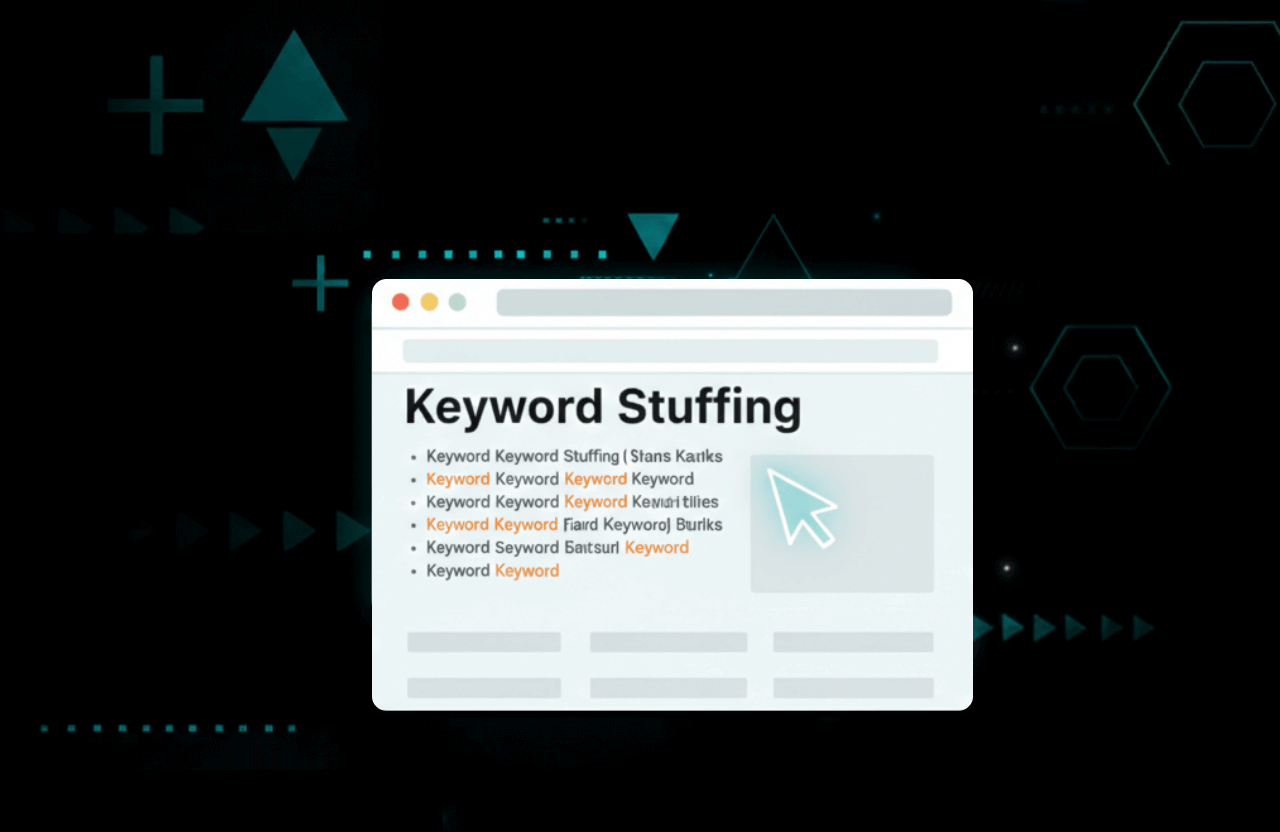
- Keyword Stuffing: Shoving the exact same phrase into a paragraph 15 times looks completely ridiculous to humans and will absolutely get you penalized by the algorithms. Just don't do it.
- Neglecting Technical SEO: It honestly doesn't matter if you wrote the next great American novel; if you ignore site speed, mobile optimization, or crawl errors, literally nobody will stick around to read it.
- Thin or Duplicate Content: Scraped, copied, or uselessly thin content rarely ever ranks well and is basically a one-way ticket to triggering a harsh, site-wide Google penalty.
- Ignoring User Intent: If someone searches "buy cheap laptop" and you give them a 4,000-word history of the first computers, they will bounce immediately. Failing to match user intent utterly destroys your rankings.
- Chasing Only High-Volume Keywords: Going to war for overly competitive, massive keywords when your blog is three days old is just digital suicide. Balance your strategy with highly achievable long-tail opportunities instead.
Tools and Resources for Search Engine Positioning
- SEMrush: The absolute Swiss Army knife for tracking your keywords, spying heavily on your rivals, and running massive site audits. Try SEMrush Free Trial.
- Ahrefs: The undisputed king of powerful backlink analysis and digging up incredibly sneaky keyword research opportunities.
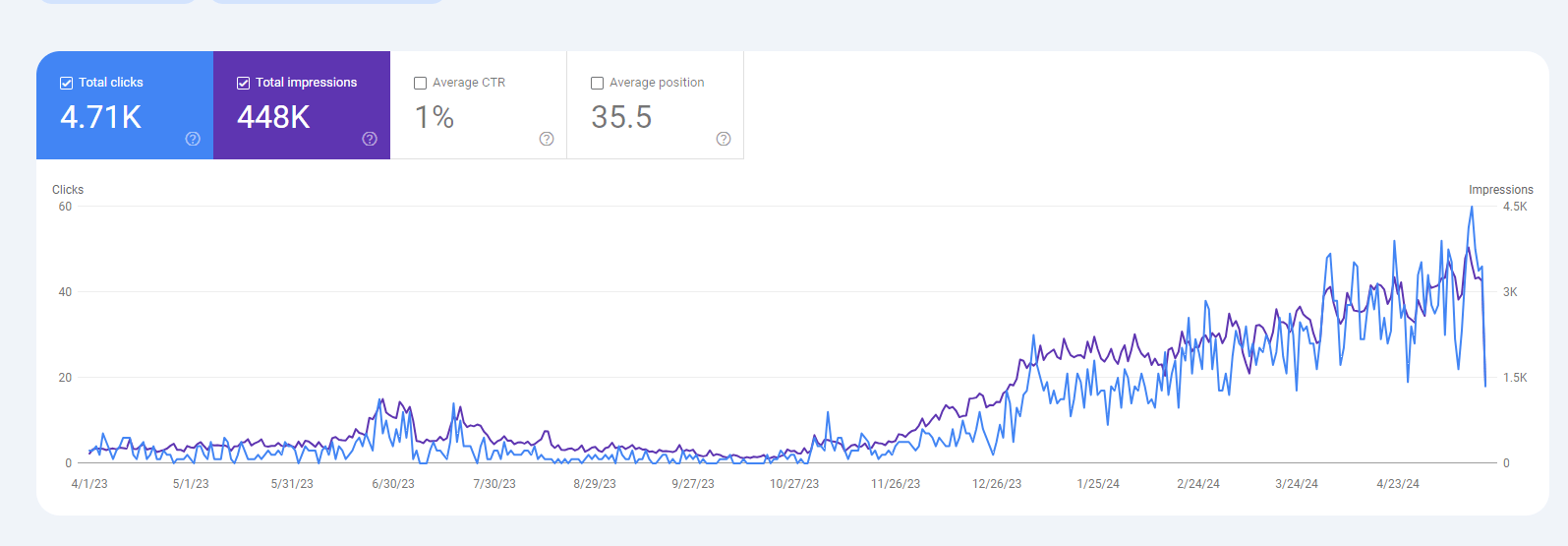
- Google Search Console: It's totally free, and it is literally Google telling you exactly how your site is performing, indexing, and handling search queries. Use it constantly.
- Google Analytics: The absolute best way to track your organic traffic, watch user behavior in real-time, and see if you are actually hitting your conversion goals.
- Surfer SEO / Clearscope: These content optimization tools basically read your article and tell you exactly which magic semantic words you forgot to include to improve topical relevance.
Further reading: Your site speed starts exactly with your server. Make sure you aren't using a cheap, junk host by checking out our Best WordPress Hosting Providers recommendations.
FAQ: Search Engine Positioning SEO
How long does it really take to improve search engine positioning?
Honestly? It heavily depends. Results vary wildly based on your current competition, your site's overall authority, and keyword difficulty. For low-competition phrases, you might see a pop in a few weeks. But if you are going after highly competitive, money-making terms, buckle up. It usually takes several months of relentless, consistent effort.
Is search engine positioning actually different from SEO?
Think of it as a highly aggressive, focused sub-genre of SEO. While general SEO is about making your site broadly visible, positioning is the obsessive, hyper-focused practice of grabbing a specific keyword by the throat and achieving top rankings for it. It involves all core SEO practices but emphasizes militant tracking.
Can I do search engine positioning SEO myself?
Absolutely. If you have the free time to learn the right tools and the patience to acquire the knowledge, many businesses successfully manage their own positioning. That being said, if you are fighting massive corporate brands in a highly competitive industry, partnering with an elite SEO agency can seriously accelerate your results.
What are the absolute best metrics to track?
Stop looking at vanity metrics that don't matter. Obsess over your actual keyword rankings, your organic traffic growth, how often people actually click your link (click-through rates), your bounce rates, and most importantly: are those clicks actually turning into paying conversions? Use this real data to adjust your strategy on the fly.
Your Search Engine Positioning Playbook
- Do the actual dirty work and conduct thorough keyword research and ruthless competitor analysis.
- Groom your on-page elements and site structure so the search engines know exactly what you are targeting without guessing.
- Write wildly helpful, ridiculously comprehensive content that genuinely addresses the user's intent.
- Fix the nerdy backend stuff to ensure technical SEO health for fast, mobile-friendly, and perfectly crawlable pages.
- Hustle every week to build authoritative backlinks and establish unshakeable topical authority.
- Stare at your analytics dashboard to monitor rankings, traffic, and competitor movements regularly.
- Never get comfortable. Adapt your strategies based on cold performance data and sudden algorithm changes.
Search engine positioning SEO is not a finish line you cross; it is a permanent, continuous journey. But if you actually stick to these steps and stay aggressively proactive, you will essentially build a machine that drives lasting growth and profitable traffic to your business for years to come.
Ready to stop being entirely invisible and take your website to the absolute top of the search results? Start ripping through these strategies today and watch your visibility, authority, and organic traffic soar in 2026 and beyond.