Let's cut the fluff. Building backlinks without understanding the raw HTML code behind them is like driving a sports car blindfolded. You are going to crash your rankings.
In the SEO world, not all links are created equal. If you are paying for PR, hustling for guest posts, or running outreach campaigns, you will inevitably smash into the terms dofollow and nofollow. If you don't know the mechanical difference between these two tiny pieces of code, you are likely wasting thousands of dollars and months of effort for zero movement on Google.
We are going to rip away the mystery. I am going to show you exactly how search engines treat these links in 2026, why a "nofollow" link isn't actually worthless, and how to build a backlink profile that makes your site utterly bulletproof against algorithm updates.
Stop guessing. Let's look at the code.
Quick tip: Stop obsessing over a 100% dofollow link profile. It looks incredibly unnatural. You absolutely need a gritty mix of both to survive Google's spam filters.
What Are Dofollow and Nofollow Backlinks?
A backlink is just a digital bridge from one website to yours. But the search engine spiders only cross that bridge if the HTML code allows them to. It all comes down to the rel attribute.
Dofollow Backlinks
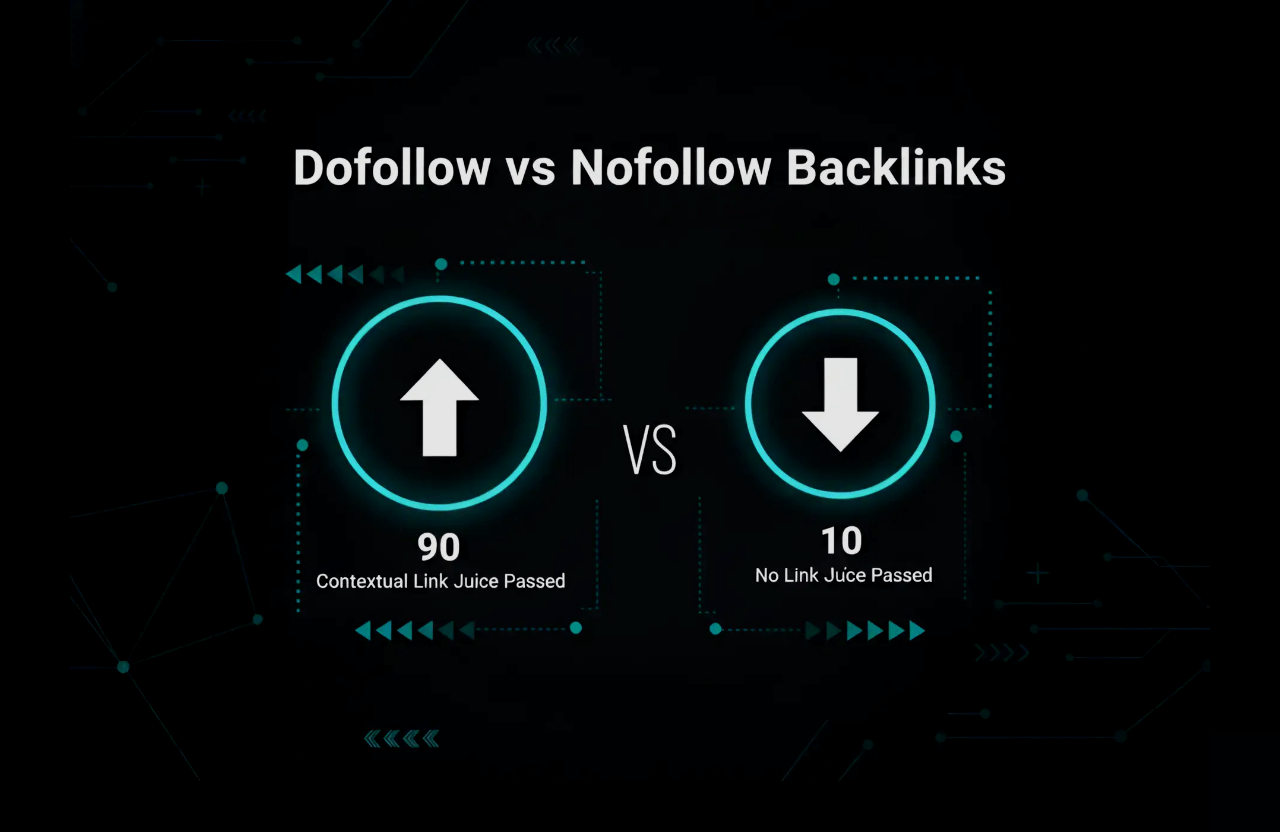
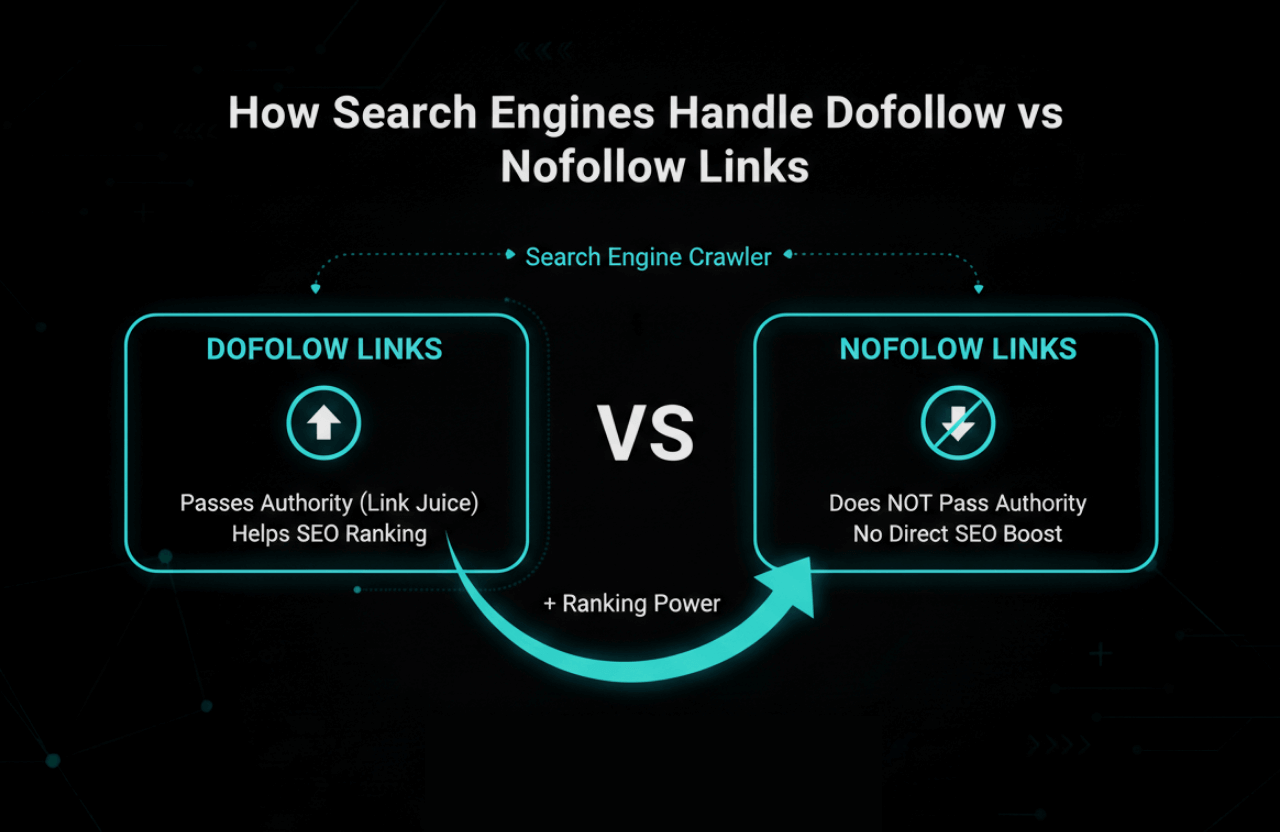
A dofollow backlink is the holy grail. It is an open door. It tells Google's crawlers, "I trust this site, pass some of my ranking authority (link juice) over to them." By default, every single link on the internet is dofollow unless a developer explicitly changes it.
Here is the exact raw HTML:
Example WebsiteNotice that there is no extra code. It is a pure, unfiltered vote of confidence.
Nofollow Backlinks
A nofollow backlink is a digital roadblock. It uses the rel="nofollow" tag to explicitly tell search engines, "I am linking to this guy, but I do not officially vouch for him. Do not pass my SEO authority to his site."
Here is what it looks like in the code:
Example WebsiteThe search engine sees the link, but it mathematically blocks the flow of ranking power.
Further reading: Want to read the actual rules Google enforces? Read their brutal documentation on qualifying outbound links.
A Brief History: Why Nofollow Was Introduced
Back in the early 2000s, SEO was a joke. Spammers would use automated bots to drop millions of links in the comment sections of random blogs. Because all links were dofollow, these spammers instantly ranked at the top of Google for garbage keywords.
In 2005, Google panicked and introduced the nofollow attribute to kill comment spam overnight. It gave website owners a weapon to allow user links without destroying their own site's reputation.
Fast forward to 2019, and Google realized the web was getting too complex. They introduced two new hyper-specific tags to join the nofollow family: rel="ugc" (for User Generated Content like forums) and rel="sponsored" (for affiliate links and paid ads). You have to use these if money changes hands.
Dofollow vs Nofollow Backlinks: Key Differences
| Feature | Dofollow | Nofollow |
|---|---|---|
| Passes raw ranking power (Link Equity)? | Yes. It acts like rocket fuel. | No. It stops the flow completely. |
| Boosts search rankings directly? | Yes. This is how you climb to page one. | No direct impact on raw ranking numbers. |
| Signals absolute trust? | Yes. A heavy endorsement. | No. Just a casual reference. |
| Is it the default state? | Yes. | No. You must manually add the tag. |
| Where you usually find them: | High-end editorial mentions, PR, real blogs. | Reddit, Wikipedia, paid ads, blog comments. |
| Do humans still click them? | Yes. | Yes. Real traffic still flows through them. |
How Search Engines Handle Dofollow and Nofollow Links
The rules of the game have changed drastically. You need to understand how the crawler actually behaves today.
How Google Treats Dofollow Links
Google eats these up. When a massive site like Forbes drops a dofollow link to your tiny blog, Google's algorithm recalculates your worth. It absorbs that trust, crawls your page instantly, and violently shoves you higher up the search results. This is the currency of the internet.
How Google Treats Nofollow Links (as of 2024)
Here is where amateurs get confused. Before 2019, Google completely ignored nofollow links. They pretended they didn't exist. But now? Google officially treats rel="nofollow", rel="ugc", and rel="sponsored" as "hints."
What does that mean? It means Google reserves the right to ignore your nofollow tag if they feel like it. If a highly trusted news site uses a nofollow link to your page, Google's AI might decide, "Actually, this is a great link, we are going to count it anyway."
Official source: Read Google's exact warning about this in their update on evolving nofollow.
Why Dofollow Backlinks Matter for SEO
Stop overcomplicating it. If you want to rank for a keyword that actually makes money, you need dofollow links. Period.
- PageRank Transfer: They literally inject authority from the referring domain directly into the veins of your website.
- The Trust Signal: When a real human editor decides to link to you without a nofollow tag, it proves to Google that your content isn't AI-generated trash.
- Indexing Speed: Dofollow links force Google's spiders to crawl your site faster and more frequently.
Do Nofollow Backlinks Have SEO Value?
If an SEO "guru" tells you nofollow links are worthless, fire them immediately. Here is why you still desperately need them:
- Raw Referral Traffic: A nofollow link on the front page of Reddit will send 50,000 real humans to your site who might actually buy your product. Google sees that traffic.
- The Wikipedia Effect: Every single link on Wikipedia is strictly nofollow. But if you are cited as a source there, dozens of other journalists will find you and give you real dofollow links later.
- Algorithmic Camouflage: If 100% of your links are dofollow, Google knows you are buying them. It is mathematically impossible to have zero nofollow links naturally. You need them to look legitimate.
- AI Data Scraping: ChatGPT and Gemini do not care about
reltags. They scrape the web for brand mentions. If you are linked on high-authority sites (even nofollowed), the AI associates your brand with trust.
Where Do Dofollow and Nofollow Links Come From?
Common Sources of Dofollow Backlinks
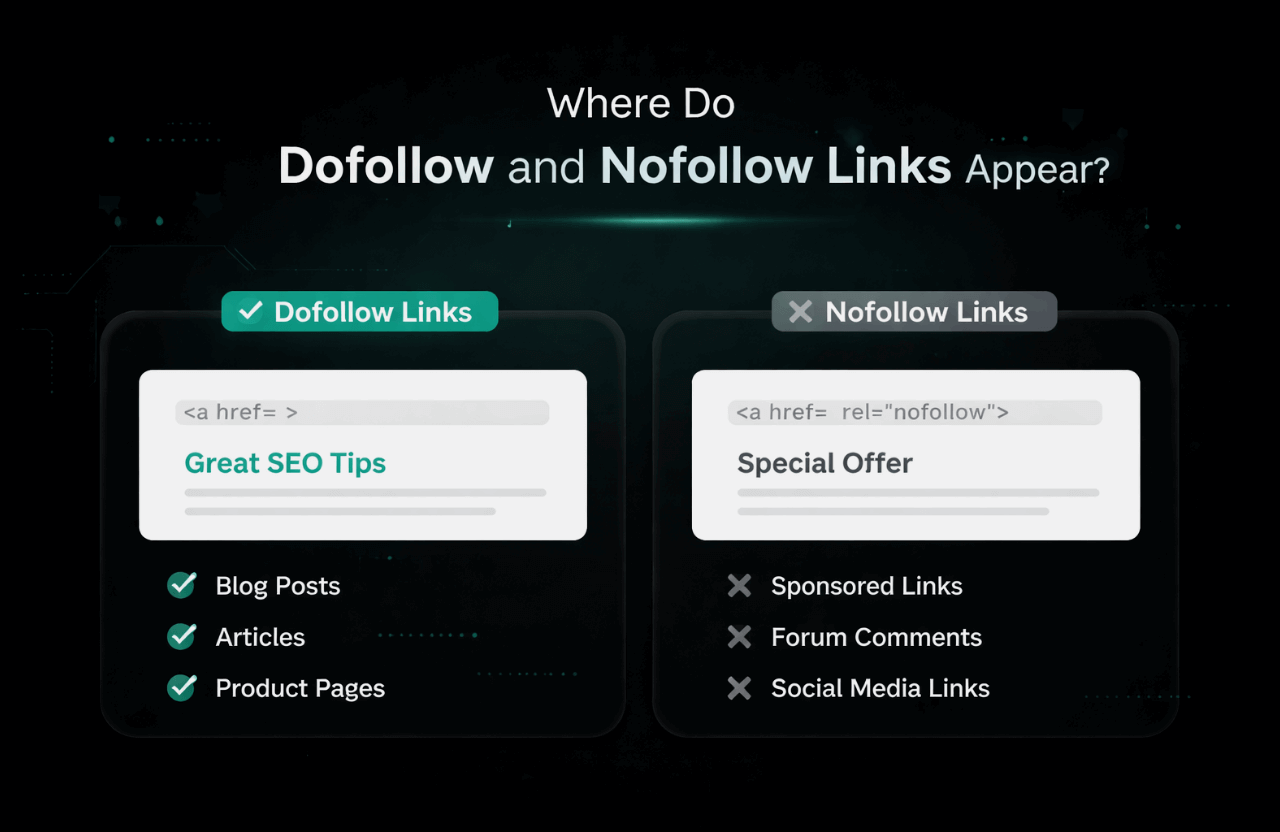
- Hard-earned editorial mentions in massive news outlets.
- High-quality guest posts on industry-specific blogs.
- Digital PR campaigns where journalists cite your original data.
- Strategic partnerships and supplier resource pages.
Common Sources of Nofollow Backlinks
- Literally every single social media platform (X, LinkedIn, Facebook).
- Quora, Reddit, and public forums.
- Wikipedia and public directories.
- Any link you paid for (If it isn't tagged
sponsoredornofollow, you are risking a massive Google penalty).
Further reading: Ready to start hunting? Steal our exact blueprints in How To Get Backlinks For Your Website.
How to Check If a Link Is Dofollow or Nofollow
Stop guessing. Verify the code yourself in five seconds:
- Right-click the link on any webpage and hit "Inspect".
- The developer console will pop open and highlight the exact
<a>tag in the HTML. - Read the code. If you see
rel="nofollow",rel="sponsored", orrel="ugc", the link is restricted. - If you see absolutely no
reltag at all, congratulations, it is a dofollow link.
If you are auditing hundreds of links, don't do this manually. Plug your domain into Ahrefs or SEMrush and let the software filter it for you.
How Many Dofollow vs Nofollow Links Should You Have?
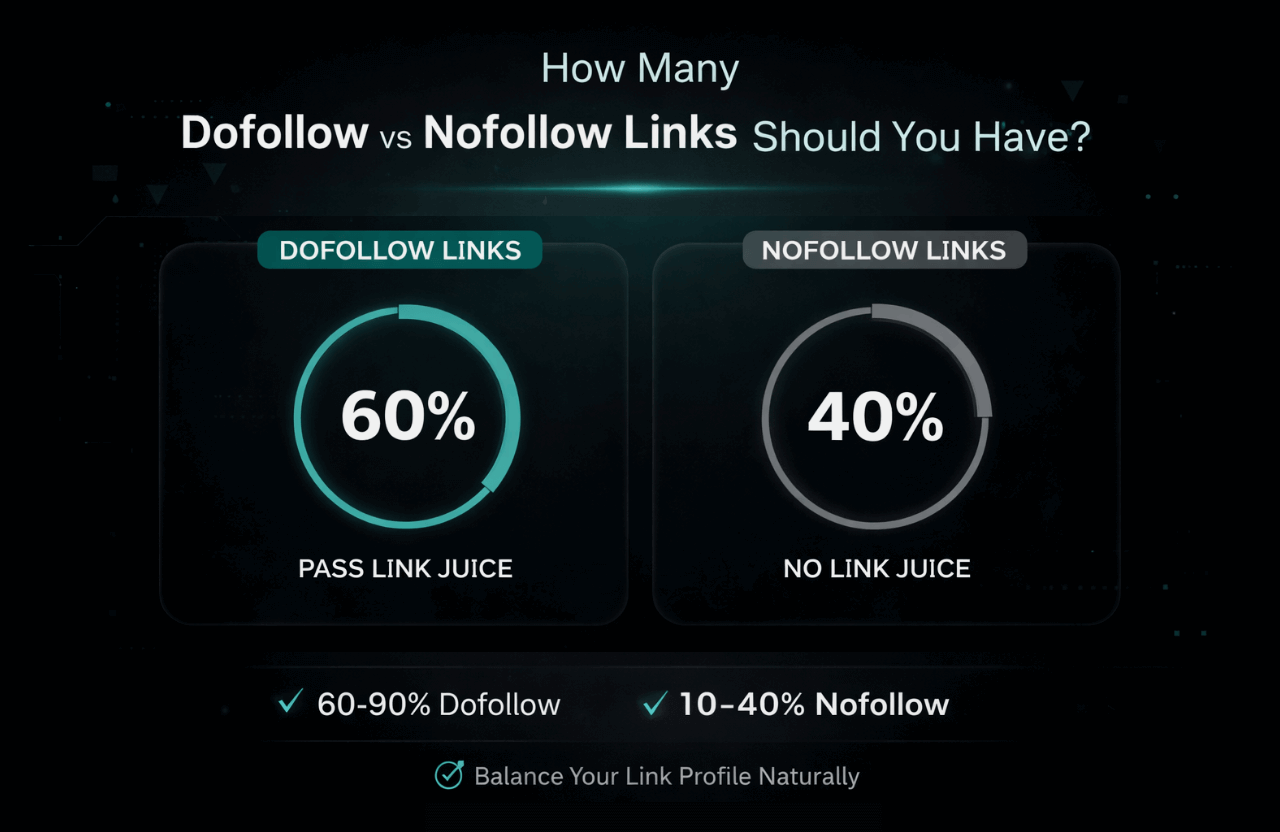
There is no magic mathematical ratio, but there is a danger zone.
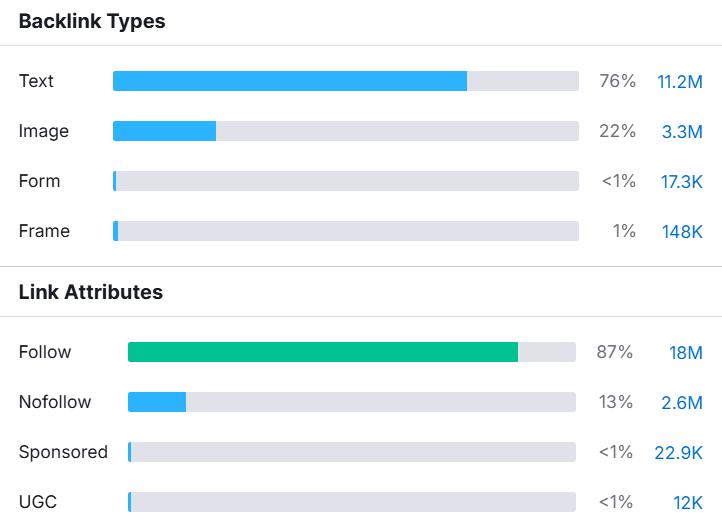
If you look at the backlink profiles of massive, healthy websites like the New York Times or Amazon, they usually sit around a 70% dofollow to 30% nofollow ratio.
The Brutal Rule: Do not try to engineer the perfect ratio. If you launch a new site and suddenly get 500 dofollow links and zero nofollow links, Google's spam team will flag your account manually. A messy, blended profile is a safe profile.
How to Get More Dofollow Backlinks (Safely)
You cannot fake authority anymore. You have to earn it:
- Original Data: Stop writing opinion pieces. Run a survey, publish cold hard statistics, and journalists will naturally link to your charts as a source.
- The Sniper Approach to Guest Posting: Stop emailing 500 random blogs. Find 5 massive authorities in your niche, pitch them a wildly unique topic, and secure that dofollow link in the author bio.
- Broken Link Hijacking: Find dead links on massive websites using Ahrefs. Email the webmaster, point out their embarrassing 404 error, and hand them your working article as a replacement.
Further reading: We broke down these exact, aggressive outreach templates right here: How To Get Backlinks For Your Website.
When to Use Nofollow Links on Your Own Site
You are responsible for the links leaving your website. If you link to garbage, Google assumes you are garbage. Protect your site using these tags:
- Affiliate Links: If you use an Amazon Associates link and don't tag it
rel="sponsored", Google can and will penalize your entire domain. - Sketchy Sources: If you are forced to cite a low-quality or highly controversial website, wrap it in a nofollow tag so you don't pass them your hard-earned authority.
- Blog Comments: If your site allows public comments, ensure your CMS automatically tags every single user link as
rel="ugc"to prevent spam bots from targeting you.
Dofollow vs Nofollow in the Age of AI and LLMs
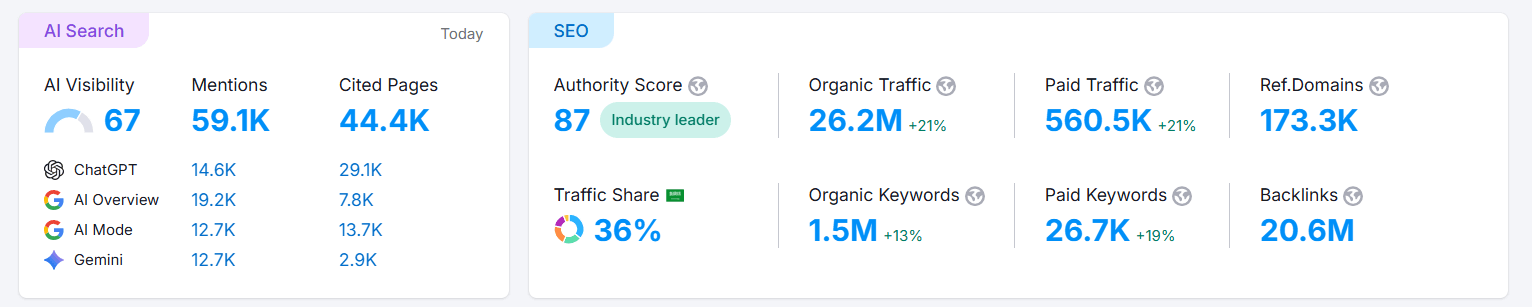
Everything changed when ChatGPT and Gemini arrived. The old rules are bleeding out.
- AI Models are blind to HTML tags: An LLM does not care if a link says "nofollow". It reads the raw text. If a massive tech blog mentions your brand and links to you, the AI logs that association into its training data.
- Co-citation is the new backlink: If your brand is heavily discussed on Reddit and Quora (which are 100% nofollow platforms), the AI engines view you as an authoritative entity and will recommend you to users.
Do not ignore the platforms that use nofollow links. They are training the machines that will replace traditional search.
Common Myths About Dofollow and Nofollow Links
- Myth 1: Nofollow links are a waste of time.
The Reality: Idiotic. If a nofollow link on a major news site drives 10,000 paying customers to your store, who cares what the HTML tag says? - Myth 2: Social media links don't matter.
The Reality: Social links don't pass direct SEO juice, but they drive viral engagement, which indirectly triggers massive organic search volume. - Myth 3: You should buy dofollow links on Fiverr.
The Reality: That is digital suicide. Google's algorithm will identify the link farm, neutralize the link, and potentially de-index your site entirely.
Best Practices for a Balanced Backlink Profile
- Quality crushes volume: One single, highly relevant dofollow link from an industry leader will absolutely obliterate 500 garbage links from random directories.
- Audit ruthlessly: Hook up Google Search Console and monitor who is linking to you.
- Use the Disavow Tool carefully: If a shady competitor launches a negative SEO attack and blasts you with toxic links, use Google's Disavow tool to cut the cord immediately.
Further reading: Make sure the rest of your technical backend isn't broken before you start building links. Run through our hardcore SEO for New Website Checklist.
Frequently Asked Questions About Dofollow and Nofollow
Can a massive amount of nofollow links actually hurt my rankings?
No. Google simply won't pass ranking power through them. Having thousands of nofollow links is totally normal if a piece of your content goes viral on social media. It will not trigger a penalty.
Can I email a webmaster and ask them to change my nofollow link to dofollow?
You can try, but don't hold your breath. Massive sites like Forbes or Entrepreneur have strict editorial policies requiring all external links to be nofollow. Arguing with their editors is a waste of your time.
Are my internal links supposed to be dofollow?
Yes. Never use a nofollow tag when linking to your own internal blog posts. You want your authority to flow freely through your entire site. The only exception is if you are linking to an internal login page or a shopping cart that you don't want Google to index.
Conclusion: Dofollow vs Nofollow in 2025 and Beyond
The debate is over. Dofollow links are the raw horsepower that drives your site to the top of Google, and nofollow links are the steering wheel that keeps your profile looking natural and drives raw human traffic to your door.
Heading deep into 2026, you cannot survive by obsessing over one and ignoring the other. You need to hustle for the high-end editorial links to please the traditional Google algorithm, while simultaneously dominating social media and forums to feed the hungry new AI search engines.
Stop overthinking the code. Build incredible assets, force the internet to talk about you, and let the links fall where they may.
Ready to lock down the rest of your strategy? Dig into the brutal reality of onpage vs offpage SEO optimization and stop leaving your traffic to chance.