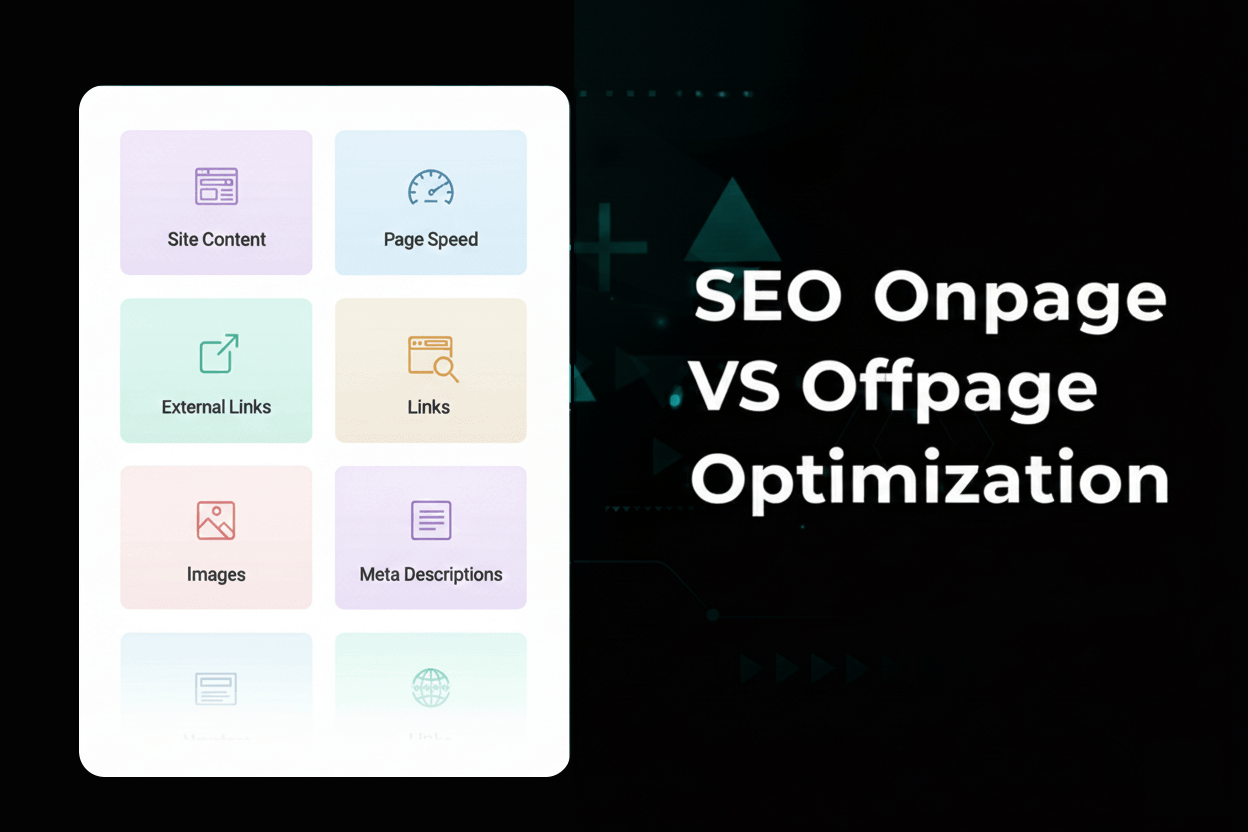
Let's be totally honest for a second: if you think SEO is still just about blindly stuffing keywords into paragraphs and begging random websites for backlinks, you are playing an incredibly outdated game. In 2026, real, bankable success comes down to mastering the delicate dance between your onpage and offpage optimization. You have to know exactly how to execute both without dropping the ball.
But what is the actual, practical difference between onpage and offpage SEO? Why should you care? And more importantly, if you have limited hours in the day, which one do you tackle first?
Consider this your ultimate, no-nonsense playbook. We are going to tear down the core principles, hand you actionable tactics, and reveal the advanced strategies for both sides of the SEO coin. Whether you are launching your very first blog or you are a seasoned marketer trying to fix a sudden traffic drop, you will find the exact frameworks you need to make your website absolutely impossible to ignore.
Pro tip: The absolute best SEO strategies running right now in 2026 treat onpage and offpage efforts as two sides of the exact same coin. Stop treating them like competing priorities; they desperately need each other to work.
Onpage vs Offpage SEO: Quick Overview
| Aspect | Onpage SEO | Offpage SEO |
|---|---|---|
| Definition | Literally everything you tweak directly on your own website | Building your digital reputation out in the wild internet |
| Main Focus | Killer content, blazing fast code, and making users happy | Raking in backlinks, social clout, and digital trust signals |
| Key Activities | Keyword hunting, writing, fixing meta tags, internal linking, schema, site speed | Pitching guest posts, digital PR, influencer shoutouts, managing reviews |
| Control | 100% direct control (It is your digital house, after all) | Indirect (You are entirely relying on other people to talk about you) |
| Goal | Proving to Google that your page is highly relevant and works perfectly | Proving to Google that you are a famous, deeply trusted authority |
Look, you absolutely need both if you want to survive the search engine wars. Onpage SEO ensures your site isn't a broken mess and actually answers the user's question, while offpage SEO builds the heavy-hitting trust required to physically push past your competitors for those top spots.
What Is Onpage SEO?

Onpage SEO is literally everything you control directly on your own domain to make search engines fall in love with you. We are talking about the actual words you write, the hidden HTML code, how fast your server responds, and how easy your site is to navigate on a phone.
Think of onpage SEO like building a physical house. If your foundation is crumbling and the roof leaks, it absolutely does not matter how fancy your exterior paint job (offpage SEO) is. The house is still garbage, and nobody wants to live there.
Core Elements of Onpage SEO
- Keyword Research & Targeting: Figuring out the exact, weird phrases your customers are typing into Google, and weaving them into your text so it doesn't sound like a robot wrote it.
- Content Quality & Relevance: Writing ridiculously deep, original stuff that actually solves a problem rather than just adding to the internet's noise.
- Meta Tags: Grooming your title tags and meta descriptions so they act like irresistible movie trailers in the search results.
- Internal Linking: Building a smart web of links between your own pages so users (and Google's crawlers) don't get lost.
- Technical SEO: Cleaning up the nerdy backend stuff so your site loads in half a second and doesn't break on an iPhone.
- Structured Data (Schema Markup): Injecting secret code that spoon-feeds context to search engines so you can snag those flashy rich snippets.
- User Experience (UX): Making sure your buttons actually work, your fonts are readable, and your visitors don't rage-quit your site.
Further reading: Need to get better at finding the right words? Dive deep into our Keyword Research Guide.
Why Onpage SEO Matters in 2026
Google’s AI algorithms are getting terrifyingly smart. They don't just count keywords anymore; they read for context, they check your topical depth, and they actively monitor if users are actually happy after clicking your link. Onpage SEO is your one chance to grab the microphone and prove you are the expert.
Plus, with the massive explosion of AI answer engines (like ChatGPT and Gemini), having perfectly structured, semantically rich content is non-negotiable. If your headings are a mess and you lack schema markup, the AI bots will simply ignore you and cite your competitor instead.
What Is Offpage SEO?
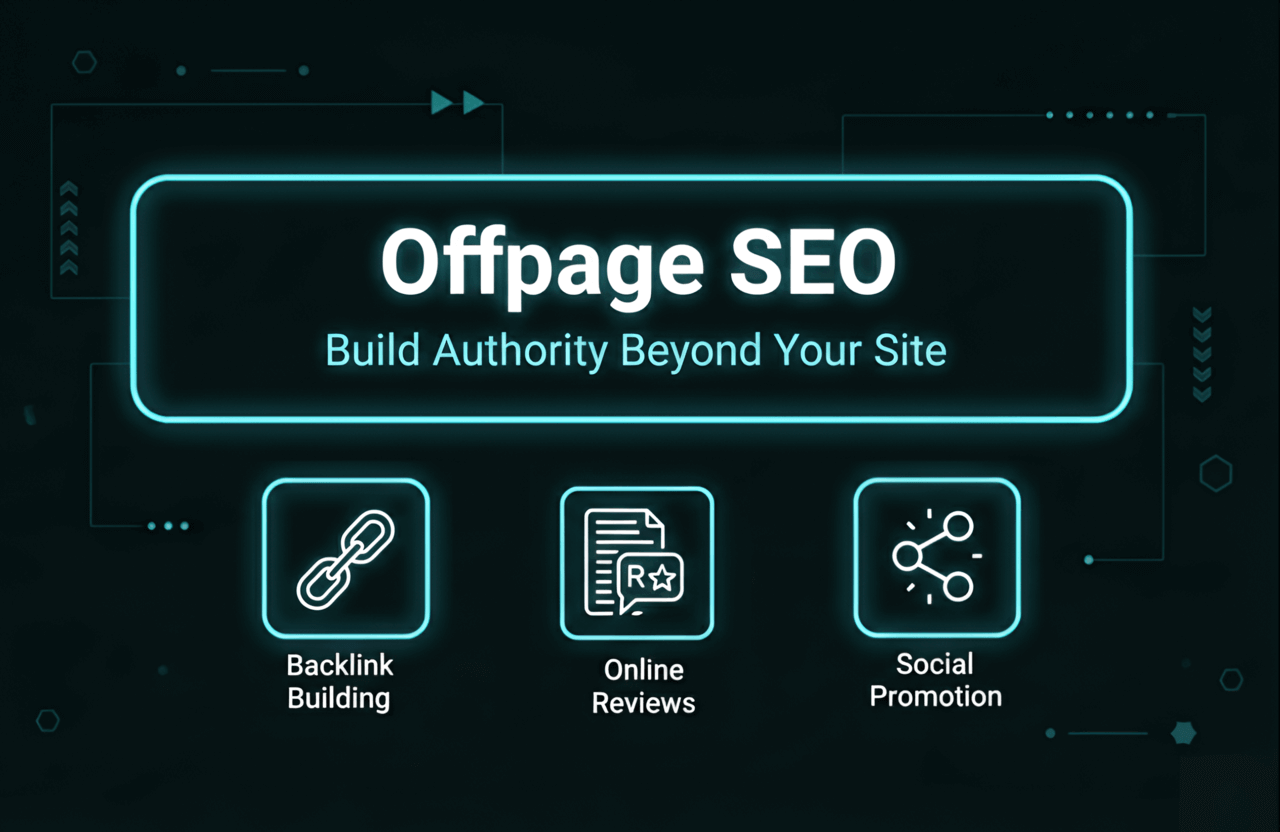
Offpage SEO is basically the digital equivalent of what people say about you when you leave the room. It encompasses all the hustling you do outside of your own website to prove to Google that you are a big deal.
Think of it as your brand's reputation out in the wild. It is measured by who is talking about you, how heavily they respect you, and where your links are dropping across the web.
Core Elements of Offpage SEO
- Backlink Building: The bread and butter. Convincing massive, highly authoritative websites to link back to your little corner of the internet.
- Brand Mentions: Getting your brand name dropped in news articles, angry Reddit threads, or industry podcasts (even if they don't actually link to you).
- Social Signals: Generating actual buzz. Getting your articles shared, liked, and argued over on Twitter and LinkedIn.
- Online Reviews & Reputation: Hustling for 5-star reviews on Google Business and third-party directories so people trust you with their credit cards.
- Influencer & PR Outreach: Sliding into the DMs of industry leaders and journalists to get them to broadcast your message for you.
- Content Syndication & Guest Posting: Writing killer articles and giving them away for free to bigger websites just to steal some of their audience and authority.
Further reading: Want to know how to actually convince people to link to you? Read our Backlink Strategies Guide.
Why Offpage SEO Matters in 2026
You can write the greatest article in human history, but if nobody links to it, Google assumes it's worthless. Search engines desperately need offpage signals to separate the genuine experts from the scammers. High-quality backlinks act as digital votes of confidence, giving you the raw power needed to rank for highly competitive, money-making keywords.
And here is the reality of 2026: AI models train on what the internet collective believes to be true. If you are constantly referenced by major news outlets and trusted blogs, the AI assumes you are the definitive source. Offpage SEO is no longer just about blue links; it's about cementing your brand into the brain of the AI.
Onpage vs Offpage SEO: Which Comes First?
It’s the classic chicken-and-egg question: Should you spend your morning fixing your title tags, or should you be out there begging for backlinks?
The brutal truth: You must start with onpage SEO. Think about it—why on earth would a massive, reputable website link to your blog if it takes 10 seconds to load, looks like it was built in 1998, and is full of typos?
You have to build the house before you invite the guests over. Once your site is blazing fast, technically flawless, and packed with genuinely helpful content, then you can confidently shift your budget and energy into offpage outreach.
Pro tip: Treat onpage SEO like getting dressed up for a massive party. Offpage SEO is actually handing out the invitations. If you don't do the first part, the second part is just going to be embarrassing.
How Onpage and Offpage SEO Work Together
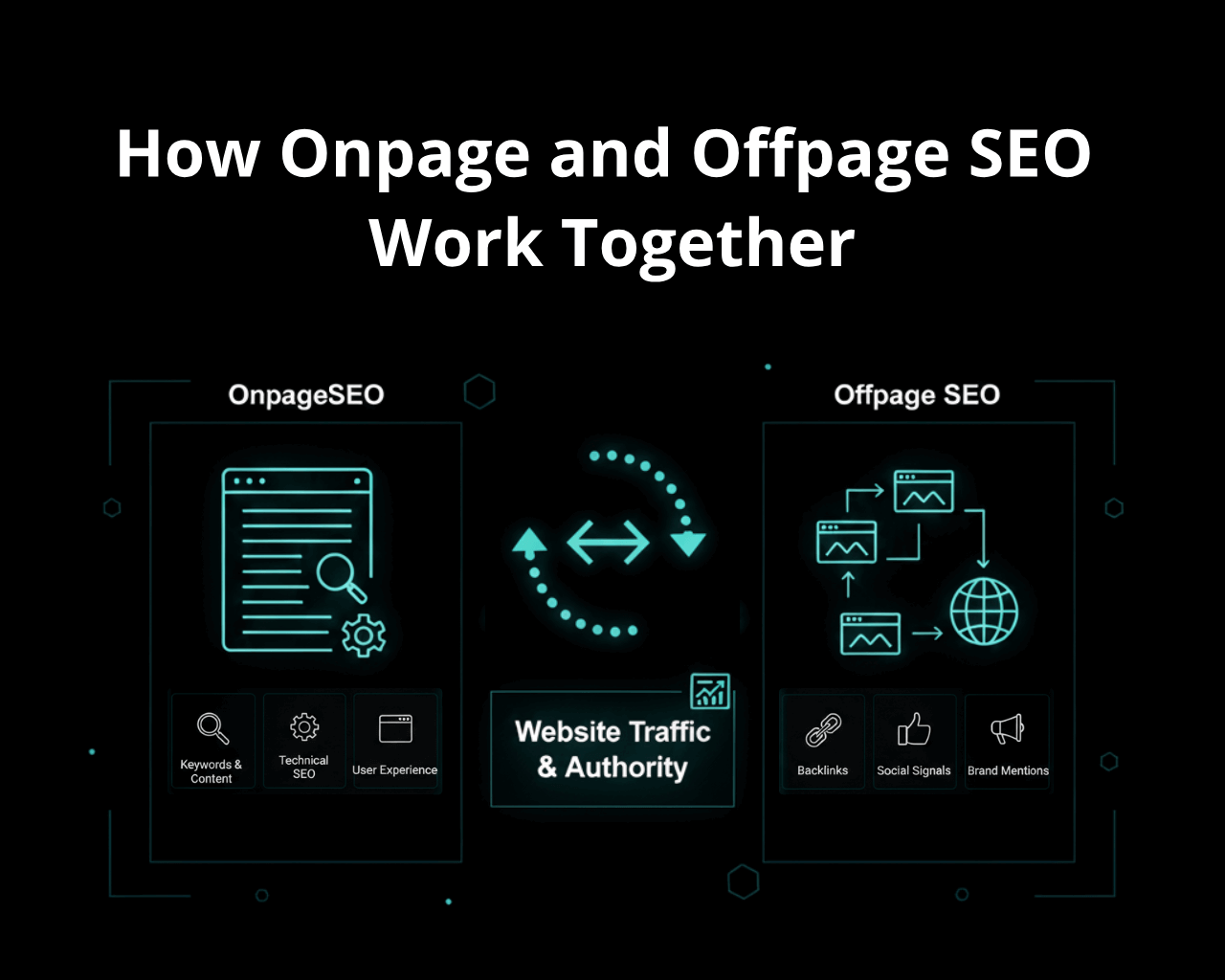
The guys making the real money in 2026 never treat these two things as separate silos. They smash them together to create a massive, unstoppable snowball effect:
- You write a mind-blowing, perfectly optimized piece of content (onpage), which naturally makes people want to link to it on Twitter (offpage).
- You hustle to build a powerful backlink profile (offpage), which acts like rocket fuel, suddenly making all your well-structured internal pages (onpage) rank higher.
- You create a flawless, fast user experience (onpage), so visitors stay longer, which signals to Google that you are a great result, leading to more organic visibility and mentions (offpage).
- You meticulously tag your data with schema markup (onpage), which allows AI engines to easily read and cite your site as a primary source (offpage visibility).
In short: Onpage SEO makes your site worthy of attention. Offpage SEO is the megaphone that forces everyone to pay attention.
Onpage SEO Best Practices for 2026
- Map Content to Search Intent: Stop guessing. Google what you want to rank for, see what is already winning, and build something that answers the user's secret question ten times better.
- Optimize Meta Tags: Write snappy, click-bait (but honest) titles and meta descriptions. If they don't click, you don't rank. It is that simple.
- Use Structured Data: Inject schema markup so the AI bots don't have to guess what your page is about. Hand them the entities on a silver platter.
- Improve Site Speed: Crush your image sizes, turn on caching, and delete bloated code. If your site takes longer than 2 seconds to load, you are bleeding money.
- Ensure Mobile-Friendliness: Everyone is on their phone. If your popups block the screen or your text is tiny, Google will bury you. Test it constantly.
- Strengthen Internal Linking: Don't leave pages orphaned. Link your new stuff to your old stuff to pass that valuable authority around your own site.
- Address Technical SEO: Run audits to find 404 errors, kill duplicate content, and ensure Google can actually index your money pages.
- Enhance Accessibility: Use descriptive alt text for your images and break up walls of text with clean headers. Make it easy for humans and screen readers to digest.
Further reading: Confused by all the coding talk? Break it down with our Schema Markup Guide.
Offpage SEO Best Practices for 2026
- Earn High-Quality Backlinks: Stop buying $5 link packages on Fiverr. Focus entirely on relevance and authority. Pitch real guest posts and execute actual digital PR campaigns.
- Build Brand Mentions: Hunt down opportunities to get your name dropped in podcasts, newsletters, and Reddit threads. Even if there is no clickable link, the AI bots are taking notes.
- Leverage Social Media: Don't just post links into the void. Start actual arguments, share hot takes, and drive real engagement on LinkedIn or X. Social buzz creates search demand.
- Encourage Reviews and Testimonials: Beg your happy customers for Google reviews. A massive wall of 5-star reviews heavily influences your local rankings and builds instant trust.
- Collaborate with Influencers: Stop working alone. Do a joint webinar or a massive interview with someone who already has the audience you want to steal.
- Monitor and Reclaim Lost Links: Use your tools to find out who randomly deleted a link to your site, and politely email them to put it back. It is free SEO juice.
- Participate in Relevant Communities: Get in the trenches on Quora, Discord, and niche forums. Answer questions genuinely, build authority, and drop your links only when it actually helps.
Further reading: Ready to start stealing your competitors' links? Read our advanced Backlink Guide.
Common Mistakes to Avoid in Onpage and Offpage SEO
- Onpage: Stuffing keywords like it's 2010, stealing content from other sites, ignoring massive red-alert technical errors in Search Console, and designing a site that looks terrible on a smartphone.
- Offpage: Paying sketchy forums for hundreds of low-quality links, relying entirely on one source for traffic, completely ignoring your terrible Yelp reviews, and acting like a spammer in Facebook groups.
Listen, in 2026, the algorithms are ruthless. They will catch you if you try to manipulate them with cheap tricks. Focus purely on putting out high quality, proving your relevance, and offering genuine value.
Measuring Success: Onpage vs Offpage SEO
Onpage SEO Metrics
- Are your actual target keywords moving up the ranks?
- Are people actually clicking your title in the search results (CTR)?
- Are they immediately hitting the back button (Bounce rate), or are they sticking around to read?
- Is your site passing the Core Web Vitals test (speed and visual stability)?
- Is Google actually indexing your new pages without throwing errors?
Offpage SEO Metrics
- How many new, completely unique websites linked to you this month?
- Is your overall Domain Authority or Trust Score creeping upwards?
- Are people mentioning your brand name on forums or Twitter without you asking?
- Are the big AI engines citing you when someone asks a question about your niche?
- Are your articles getting organically shared across social media?
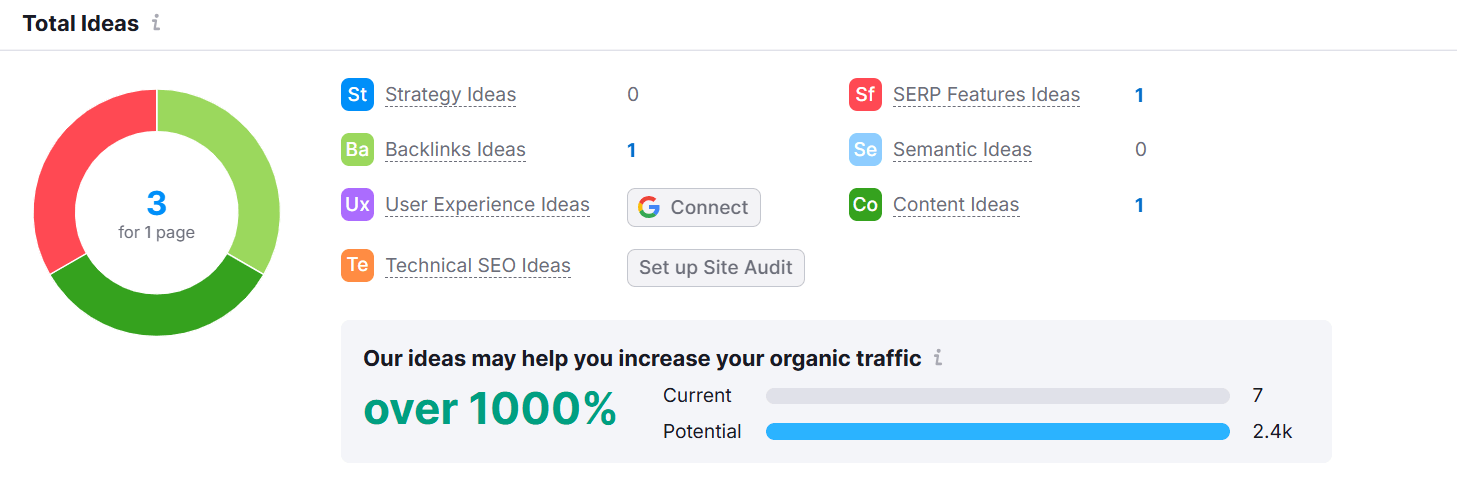
Pro tip: You can't manage what you don't measure. Use a heavyweight tool like SEMrush or Ahrefs to track all this insanity. Don't have an account? Grab a SEMrush Free Trial right here.
Advanced Strategies: Integrating Onpage and Offpage SEO
- Create Linkable Assets: Stop writing boring opinion pieces. Publish original, hard data, build a free calculator, or drop a massive ultimate guide. People naturally link to tools and data. Then, wrap it in schema markup so the AI bots steal it.
- Optimize for AI and Answer Engines: Structure your articles with aggressive, clear headings and punchy "TL;DR" answers right at the top so generative AI can easily scrape your answers.
- Leverage Internal Linking for Authority Flow: Did one of your blog posts accidentally go viral and get 50 backlinks? Go into that post right now and add internal links pointing to your boring sales pages. Pass that juice around.
- Promote Content Across Channels: Don't just hit publish and pray. Email journalists, tag influencers on LinkedIn, and run a little PR campaign to force both onpage traffic and offpage mentions simultaneously.
- Monitor Brand Sentiment: Set up alerts for your brand name. If someone is trashing you on a forum, go in there and fix the problem publicly. Reputation management is highly underrated SEO.
Case study: Want to see exactly how mashing these two strategies together helped a software company literally double their traffic in 180 days? Check out our deep dive on Search Engine Positioning SEO.
FAQs: Onpage vs Offpage SEO
Can I actually rank with just onpage SEO?
If you are going after a super obscure, long-tail keyword that nobody else cares about? Sure. But the second you try to rank for something that actually makes money, your flawless onpage SEO will get crushed by a competitor who has offpage authority and backlinks.
How long does offpage SEO actually take to show results?
It requires serious patience. You might land a massive backlink today, and Google might not fully reward you for it for weeks or even months. It is a long-term, compounding game. It's not a quick fix.
Are social media likes a direct ranking factor?
No, Google has explicitly said they don't count Facebook likes to determine rankings. However, if a post goes viral on social media, it gets seen by bloggers and journalists who will link to it from their websites. It's the ultimate indirect SEO boost.
What is actually more important in 2026: content or links?
It's a tie. You literally cannot win without both. Content (onpage) earns the user's attention and solves their problem. Links (offpage) convince the search engine that you are actually trustworthy enough to be shown in the first place.
Your SEO Action Plan for 2026
- Audit your house: Run a massive technical crawl on your site. Fix the broken links, speed up the loading times, and rewrite your boring meta titles.
- Start knocking on doors: Build a spreadsheet of industry blogs and journalists. Start pitching them highly relevant guest posts or sharing your original data to earn those first crucial backlinks.
- Stare at the dashboard: Hook up Google Search Console and an SEO tracking tool. Watch how your rankings react to your changes.
- Feed the AI: Go back through your articles and add clear, concise Q&A sections and schema markup so the generative AI models can easily extract your expertise.
- Never stop adapting: The algorithms change literally every day. Follow the smart folks on SEO Twitter, read the blogs, and constantly tweak your approach.
Remember this: SEO is not a weekend project you finish and forget about. It is a brutal, ongoing war of marginal gains, requiring you to constantly blend your onpage perfection with your offpage hustling.
Want to go deeper down the rabbit hole? Take a look at our weirdly specific guides on AdSense Approval, the brutal truth about Amazon FBA vs Dropshipping, and how to stop your server from crashing with the Best WordPress Hosting Providers.
Conclusion: Onpage vs Offpage SEO in 2026
At the end of the day, onpage and offpage SEO are the two heavy pillars holding up your entire digital strategy. Heading deep into 2026, the line between them has basically vanished. You have to master your onpage optimization just to get invited to the table, and you have to aggressively invest in offpage link-building if you actually want to win the game.
By constantly combining the two, you aren't just trying to game a specific algorithm; you are building an undeniable, authoritative brand that is completely bulletproof against future Google updates and AI search overhauls.
Ready to finally get some real traffic? Stop overthinking it. Clean up your website's code, write something genuinely amazing, and then go out there and force people to link to it. Watch your rankings explode.